World news and discussion on TalkFuse.
‘The output of a lunatic asylum’: what the Bloomsbury group can tell us about mental health
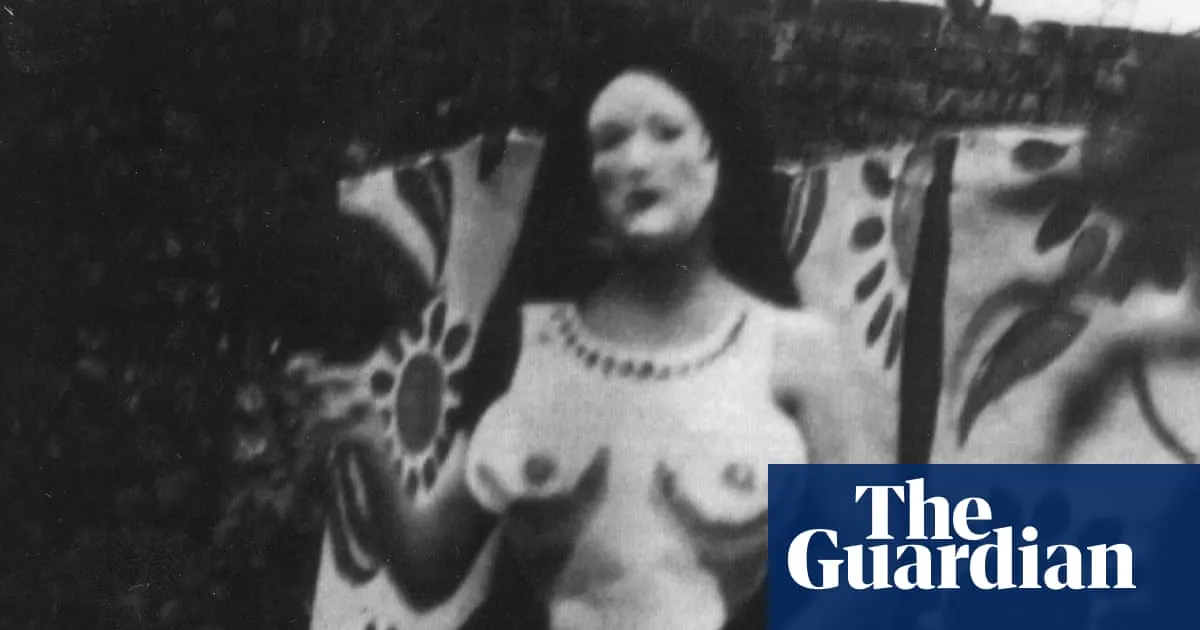
A new exhibition at Charleston in Lewes explores how mental illness shaped the lives and work of the Bloomsbury group, and how their ideas influenced wider attitudes to psychiatry and psychoanalysis. It questions the familiar portrayal of Virginia Woolf’s suffering as part of her “tortured genius”, while reclaiming “mad” as a source of identity and pride.
The exhibition contrasts Woolf’s access to private care, which allowed her to continue writing, with artist Helen Coombe’s 26 years in an asylum and the largely secondhand account of servant Mary Elizabeth Wilson’s mental distress. It also examines the group’s privilege, including their access to homes and space to work, and presents contemporary contributions by people with experience of mental illness and neurodivergence.
In short
- Charleston exhibition re-examines Bloomsbury and mental health.
- Woolf’s care differed sharply from Helen Coombe’s institutionalisation.
- Contemporary artists add perspectives from lived experience.
Americas Culture Health Mental Health World