The perilous economic conditions facing the UK can be traced back to Trump | Richard Partington
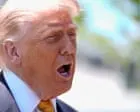
As chancellor John Healey prepares his autumn budget, the article argues that the difficult economic conditions he faces largely stem from Donald Trump's policies and actions in the US. The US-Israel war on Iran has driven up oil and gas prices, fuelling inflation and a global bond market selloff, while Trump's tariffs are hitting British industry directly, exemplified by Jaguar Land Rover's announcement of 4,000 job cuts. His broader fiscal recklessness and pressure on the US Federal Reserve are also pushing up debt servicing costs worldwide, complicating Healey's task even as Britain's economy shows some underlying resilience.
Last week the oil price rose to $109 a barrel amid renewed market turmoil, sending the yield on 10-year UK gilts to almost 5.4%, the highest in nearly two decades. This is a particular concern because the Office for Budget Responsibility may base its budget forecast on recent market volatility, as it did ahead of Rachel Reeves's spring statement, potentially halving the £23.6bn of fiscal headroom estimated by Oxford Economics. With the budget due on 28 October, Healey faces added uncertainty from unpredictable factors including growth, inflation, employment and immigration levels, though he does have some scope to take domestic steps to bolster confidence.
In short
- Trump's policies are worsening UK's economic backdrop ahead of the budget
- Iran war and tariffs have spiked oil prices and hit UK jobs
- Gilt yields near 20-year highs could shrink Healey's fiscal headroom
Steelman: both sides, in good faith
The strongest fair case each way — we don't pick a winner.
The case for
A strong case for the article’s argument is that US decisions can transmit substantial shocks to Britain: conflict involving the US and Israel has raised energy prices, while US tariffs threaten British exporters and jobs. Higher inflation and borrowing costs can then squeeze household finances and public finances, leaving the chancellor with less room to act even if some domestic indicators remain resilient.
The case against
A strong countercase is that Britain’s economic difficulties cannot be attributed largely to Trump without weighing domestic policy and longer-running weaknesses, as well as shocks beyond US control. Energy markets, global bond yields and the UK’s fiscal headroom are shaped by many countries and institutions; Britain’s own choices on taxation, spending, investment and regulation also affect growth and borrowing costs.
Explained simply
The chancellor is the government minister responsible for taxes, public spending and the UK’s budget. The Office for Budget Responsibility is an independent body that forecasts the economy and public finances; its forecasts help determine how much room the government has to meet its spending and borrowing plans.
Oil and gas prices affect the cost of energy and transport, and can feed into prices across the economy. Government borrowing costs are also influenced by financial markets: when investors demand higher interest on UK government bonds, more public money may be needed to service the debt.
The UK is connected to the global economy through trade, energy markets and finance, so events and policy decisions in the United States can affect British businesses and borrowing costs. These pressures matter because they can make it harder for the government to support the economy while keeping public finances within its plans.
Americas Art Business Culture Government Politics UK World