New releases, music videos and album news — indie, rap, rock and pop. Always covering Ren, Chris Webby, Sam Tompkins, bbno$, CHINCHILLA, Muse, Yungblud and more.
The personal cost of Nina Simone’s fight for civil rights: “There was too much happening to get sick now”
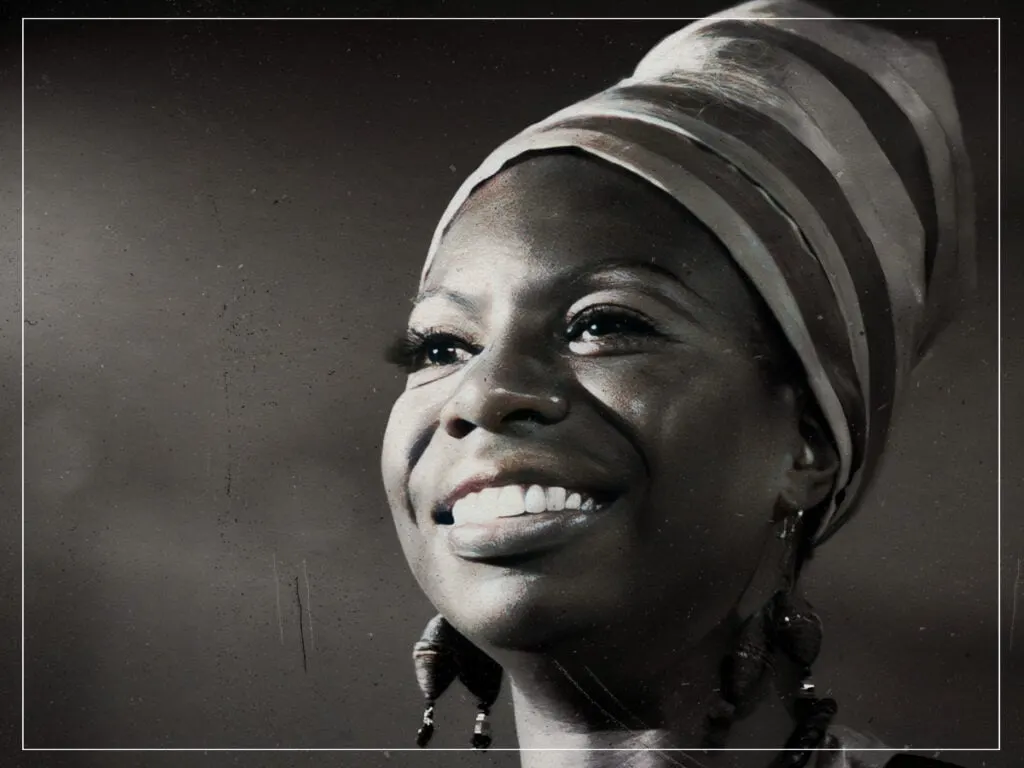
Nina Simone’s commitment to civil rights came at a personal cost, as political advocacy and an exhausting performance schedule compounded the pressures she faced. During a 1966 tour, she experienced a severe mental health crisis but chose to continue, saying there was too much happening for her to get sick.
Simone had become known for songs such as “Mississippi Goddam”, written after the 1963 murder of Medgar Evers and the Birmingham church bombing. Accounts differ on the details of her crisis: her husband and manager, Andrew Stroud, described an episode on the tour’s final night, while Simone’s autobiography portrays it lasting weeks. She later attributed her visions to overwork, and was diagnosed with bipolar disorder in the late 1980s.
In short
- Simone’s civil rights work and demanding schedule took a serious personal toll.
- She continued touring through a mental health crisis in 1966.
- She later linked her experiences to overwork.
Explained simply
Nina Simone was an American singer and pianist whose music became closely associated with the civil rights movement, the campaign against racial segregation and discrimination in the United States. Her song “Mississippi Goddam” responded to racist violence in 1963, including the murder of civil rights leader Medgar Evers and the bombing of a church in Birmingham, Alabama.
Simone combined political advocacy with a demanding schedule of performances. Her husband and manager, Andrew Stroud, and Simone herself gave different accounts of a serious mental health crisis during a 1966 tour. She later linked her visions to overwork and was diagnosed with bipolar disorder in the late 1980s.