eSIMs simplify mobile plans but offer no reception or speed gains
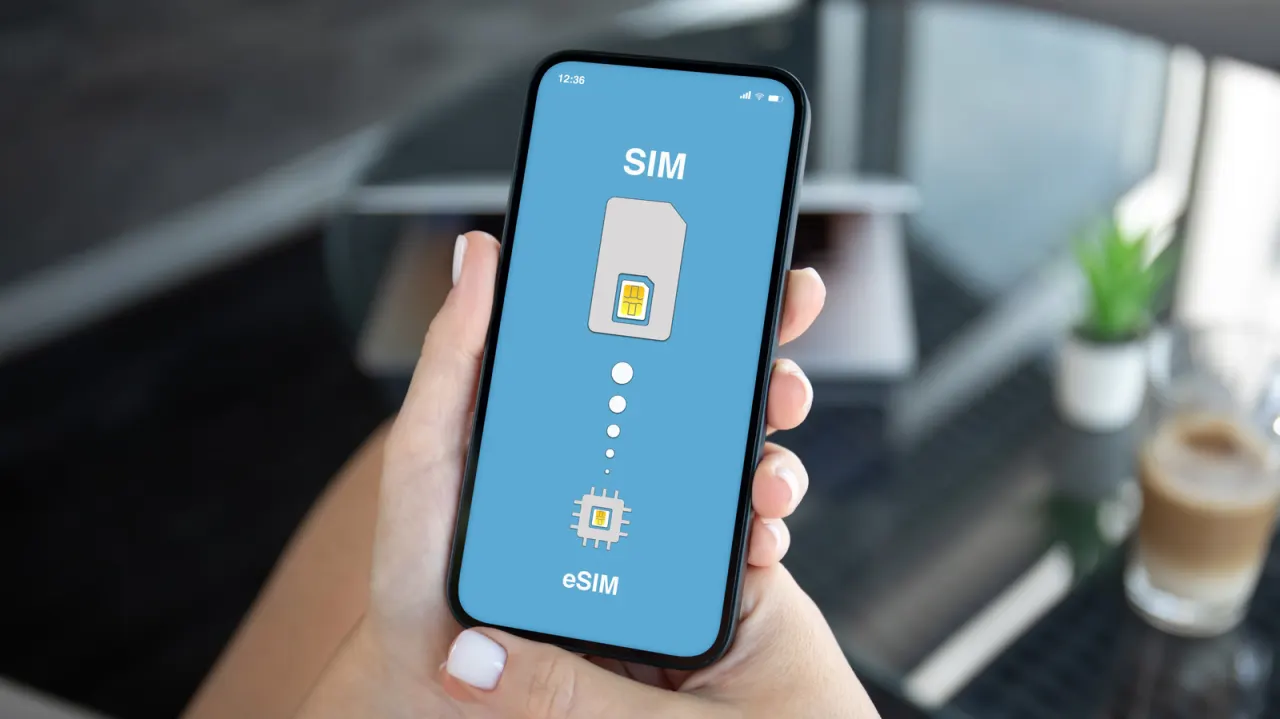
eSIMs offer a more flexible way to activate and manage mobile service, without handling a removable card. They can make it easier to keep work and personal numbers separate or set up a travel plan in advance, but they do not improve reception or data speeds.
The phone and carrier must both support eSIM, and the device generally needs to be unlocked to use another provider. Moving a number between phones can involve an app, QR code or customer service, while a physical SIM can be moved by swapping the card. Before travelling, users should check roaming terms and set the eSIM to handle data, as fees may still apply.
In short
- eSIMs simplify activation and travel plans.
- Phone and carrier compatibility is essential.
- Physical SIMs can be easier to swap between phones.
Explained simply
An eSIM is a digital version of the small card that links a mobile phone to a network. It is built into the phone, so a mobile plan can be added or changed through an app, a QR code or the provider’s customer service.
Using an eSIM can help people keep separate work and personal numbers, or arrange a travel plan before leaving home. Both the phone and the mobile provider must support it, and the phone may need to be unlocked to use a different provider.
An eSIM does not make a phone’s signal stronger or its data faster; those depend on the network and coverage. Travellers should check roaming charges and which plan is set to use mobile data, as fees can still apply.
Read the full article at the source →
Originally published by Engadget as “The pros and cons of using an eSIM over a physical SIM card”.