Entertainment news and discussion on TalkFuse.
The Rolling Stones ‘Behind the Song’: See Mick Jagger and Producer Andrew Watt’s Deep Dive on the Creation of ‘Mr. Charm’ (EXCLUSIVE)
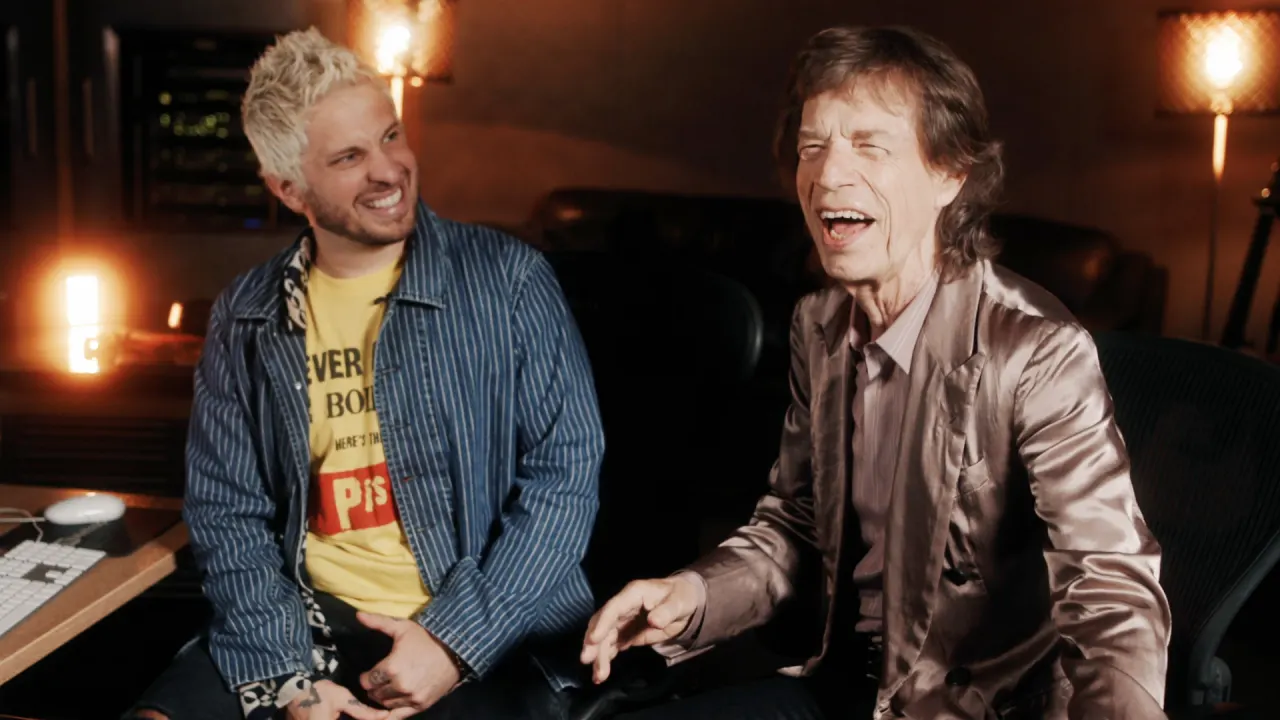
Variety has released an exclusive 15-minute “Behind the Song” video in which Mick Jagger and producer Andrew Watt examine how the Rolling Stones created “Mr. Charm”, from their recently released album “Foreign Tongues”. It is notable because Jagger has rarely publicly dissected the band’s songwriting process, despite decades of documentaries and archival material.
The song began as a Jagger demo built around a guitar riff and rough melody, before Keith Richards’ chords became its defining riff and Ronnie Wood added further guitar parts. Steve Jordan supplied the rhythm, Steve Winwood contributed B3 organ, and backing singer Naarai Jacobs joined Jagger on the chorus; Watt produced both “Foreign Tongues” and the Stones’ 2023 album “Hackney Diamonds”. Jagger also reflects on his preference for sharper, punk-influenced chords and pushes back on comparisons between new work and past Stones classics.
In short
- Jagger offers a rare breakdown of a new Rolling Stones song.
- “Mr. Charm” developed through contributions from the full band.
- The video traces the song from demo to finished recording.
Explained simply
The Rolling Stones are a British rock band formed in the early 1960s, with Mick Jagger as their singer and Keith Richards as a central guitarist and songwriter. Their music has developed over many decades, and the band’s songs are often shaped by contributions from several members and collaborators.
“Mr. Charm” is a track on the Stones’ album “Foreign Tongues”. Its creation involved a rough demo from Jagger, guitar parts from Richards and Ronnie Wood, and performances by other musicians, with Andrew Watt producing. Watt also produced the band’s 2023 album “Hackney Diamonds”.
The band’s writing process is of interest because Jagger has seldom publicly discussed in detail how a song takes shape. Hearing the musicians describe their contributions can help explain how an initial idea develops into a recorded track.