The Saudi-led $55 billion takeover of EA has closed
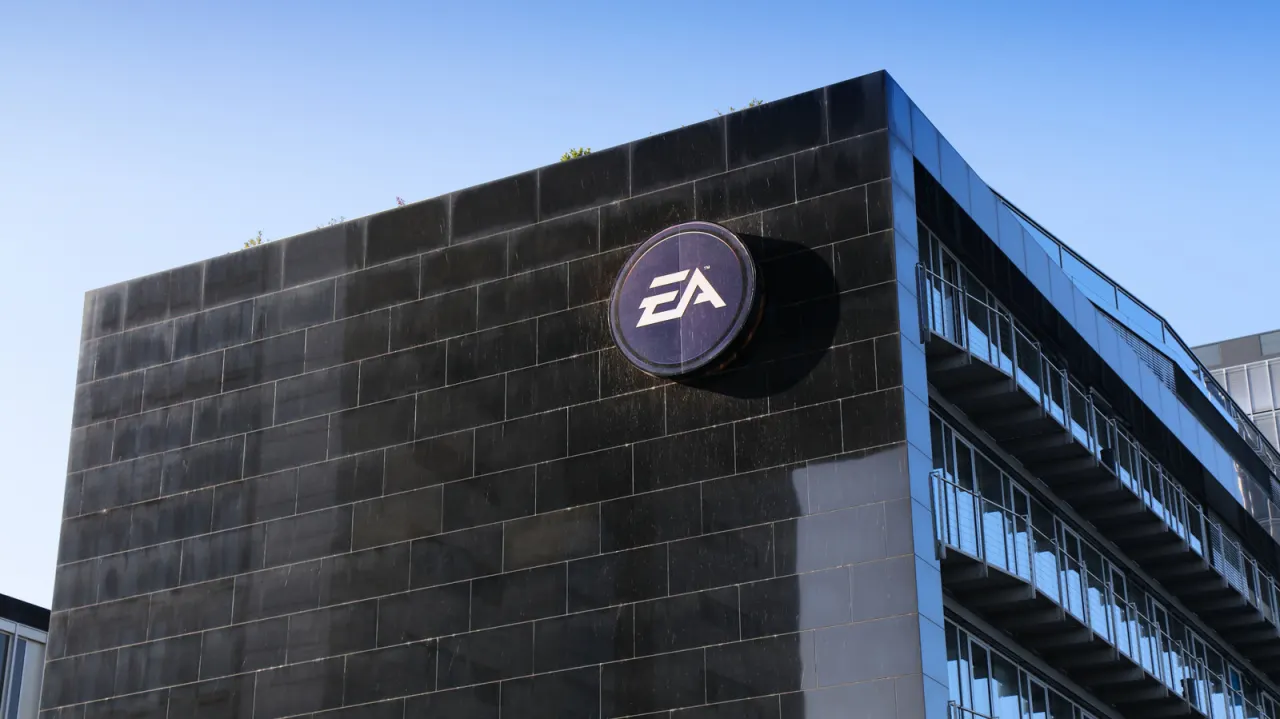
Electronic Arts has completed its $55 billion takeover by a consortium led by Saudi Arabia's Public Investment Fund, marking one of the biggest changes in ownership in the video game industry's history. The deal, which closed on Tuesday, returns EA to private ownership and is the largest leveraged buyout ever recorded, though it leaves the company carrying $20 billion in new debt that it must repay over time.
The acquisition was first announced last September and approved by EA shareholders a few months later, before finally clearing regulatory hurdles several months behind schedule. PIF now holds more than 93% of the company, alongside private equity partners Silver Lake and Affinity Partners, while chief executive Andrew Wilson stays in charge and EA remains headquartered in Redwood City, California. The company recently reported a $387 million profit for the quarter ending 30 June, and Wilson told staff EA remains committed to "building the world's greatest games, communities, and creative culture."
- EA's $55bn Saudi-led buyout has officially closed
- PIF now owns over 93% of the company
- Deal adds $20bn in debt; CEO Andrew Wilson stays on
Both sides, in good faith
The strongest fair case each way — we don't pick a winner.
The case for
Supporters of the deal argue it delivers a substantial premium to EA shareholders and provides the studio with the stability of private ownership, freeing it from quarterly earnings pressure and short-term stock market scrutiny. They contend this could allow for longer-term investment in game development, and that the consortium's capital, including sovereign wealth backing, gives EA resources to compete against rivals. Advocates also note that large leveraged buyouts are a routine and legal feature of global finance, and that foreign investment in American companies, when cleared through the standard regulatory process, should be judged on commercial merit rather than the nationality of the investor.
The case against
Critics raise concerns about the $20 billion in new debt now loaded onto EA, arguing that heavy leverage can force cost-cutting, layoffs or reduced creative risk-taking as the company prioritises debt service over game quality. There are also broader worries about a Saudi state-linked entity gaining significant control over a major cultural and entertainment company, given human rights concerns and questions about the use of soft power through global media and gaming investments. Sceptics further question whether private equity-style ownership structures, reliant on debt-fuelled buyouts, ultimately serve players and employees as well as public accountability might, or whether they primarily benefit the financiers who engineered the transaction.