The story of Pink Floyd’s The Wall tour: Power grabs, bad blood, sackings and bitter dysfunction
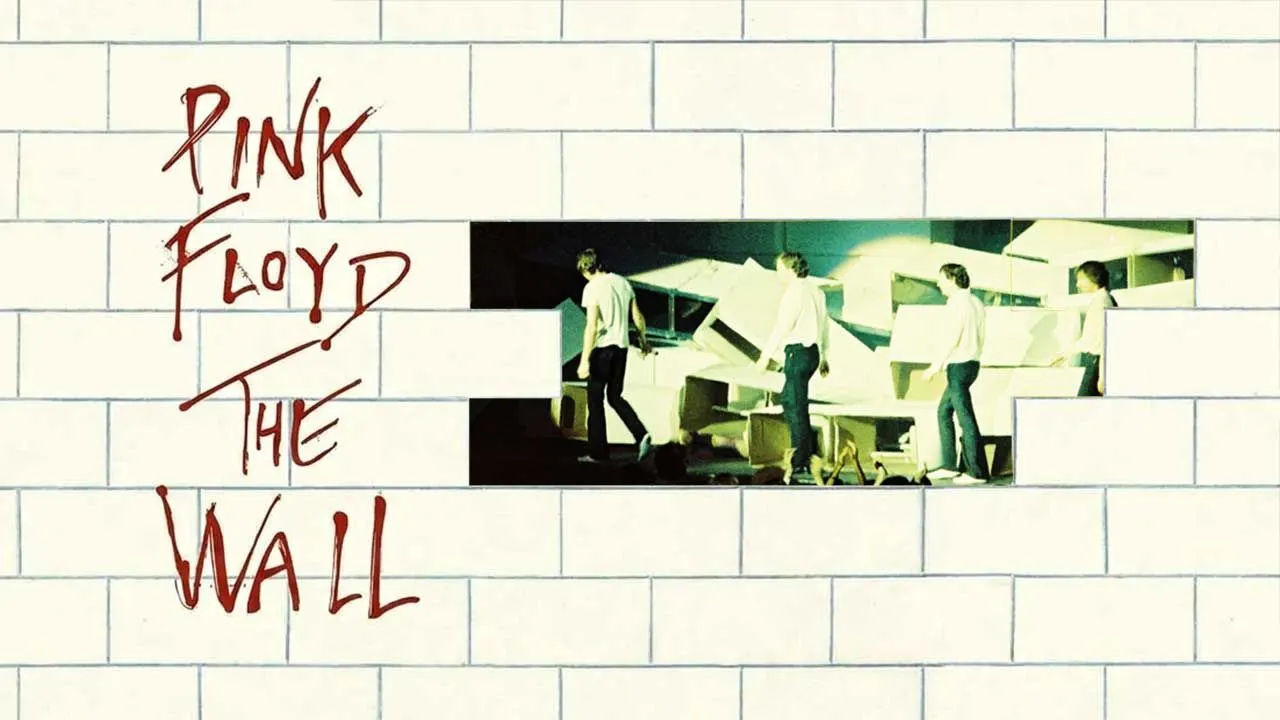
Pink Floyd’s 1979 album The Wall became the basis for an ambitious, theatrical tour that deepened tensions within the band. Roger Waters’ growing alienation from stadium audiences shaped the production: a huge wall was built across the stage during each show, reflecting his ideas about isolation and psychological defences.
Designer Jonathan Park and architect Mark Fisher helped realise Waters’ vision of a barrier 33 feet high and 260 feet wide. Waters’ frustration with stadium concerts had grown after The Dark Side Of The Moon’s success, and came to a head when he spat towards a fan at a 1977 Montreal show attended by 78,000 people. The article says the tour contributed to the band’s rupture; Waters, David Gilmour, Richard Wright and Nick Mason would not share a stage again for 24 years.
- The Wall tour turned Waters’ alienation into an immense stage structure.
- A 33-foot-high wall was built across the stage during performances.
- Pink Floyd’s four members did not reunite on stage for 24 years.
New here? Start with this
Pink Floyd were a British rock band whose members included singer and bassist Roger Waters, guitarist David Gilmour, keyboard player Richard Wright and drummer Nick Mason. Their 1973 album The Dark Side of the Moon brought them major success, and by the late 1970s they were playing to huge stadium crowds.
The Wall began as Waters’ idea for an album and stage production about isolation and the barriers people build around themselves. Its concerts used a towering wall across the stage, designed with Jonathan Park and Mark Fisher, turning that theme into a physical part of the performance.
The tour matters because it brought tensions within the band into sharper focus. Waters had become increasingly uncomfortable with the scale and atmosphere of stadium shows, and the group’s members did not perform together again for 24 years.