Politics news and discussion on TalkFuse.
The Supreme Court’s Next Big Immigration Case Is Here
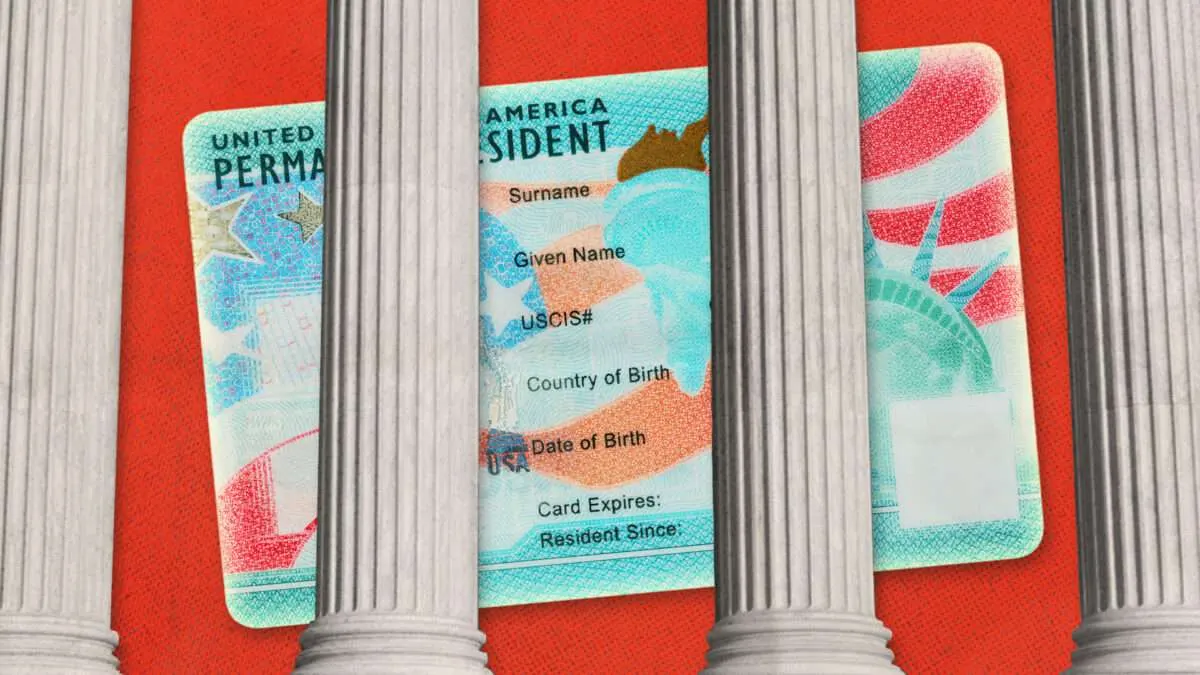
The US Supreme Court will hear arguments in Wassily v. Blanche on 30 November, considering whether people whose asylum status was later terminated can still apply for permanent residence. The case turns on how federal law’s phrase “granted asylum” should be read, and the outcome could affect people living in the US who previously received asylum.
The dispute also concerns spouses and children whose asylum was granted derivatively and automatically ended after the principal applicant lost status. The National Immigrant Justice Center says they could be barred from applying for green cards regardless of their individual circumstances. A divided Second Circuit panel sided with the Trump administration, while Judge Beth Robinson argued that the law covers anyone who was once granted asylum.
In short
- The Supreme Court will hear arguments on 30 November.
- The case concerns green card applications after asylum ends.
- A ruling could affect family members with derivative asylum.
Steelman: both sides, in good faith
The strongest fair case each way — we don't pick a winner.
The case for
The law can be read to require only that asylum was granted at some point, not that it remains in force when a person seeks permanent residence. That reading gives effect to the phrase’s ordinary meaning and may let people who relied on an earlier grant, including derivative family members, have their individual eligibility considered.
The case against
The administration’s reading is that permanent residence requires a person to hold valid asylum status when applying, so a grant that has since been terminated no longer qualifies. This approach treats the green-card pathway as dependent on current legal status and gives effect to Congress’s distinction between having once received asylum and continuing to be an asylee.
Explained simply
Asylum is protection the US can grant to people who say they face persecution in their home country. Someone granted asylum may later apply for permanent residence, commonly called a green card, which allows them to live in the US indefinitely.
In some cases, a person’s spouse and children receive asylum through the main applicant rather than through separate decisions. The dispute is about whether “granted asylum” in federal law includes people whose status was later ended, and what that means for those family members’ eligibility to seek permanent residence.