The truth about getting Invisalign in your 50s: I’ve developed a lisp and mental anguish. But I lost 7lbs in a month. It took me years to take the leap at 59 – here’s how I feel about it now
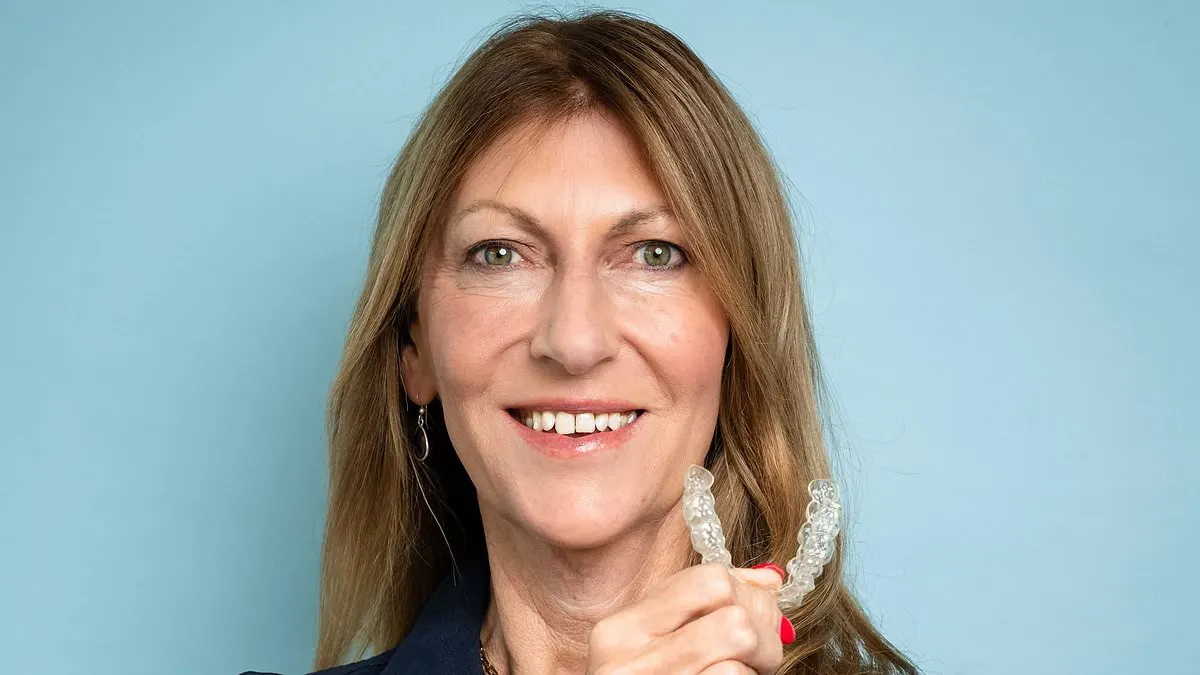
A 59 year-old writer describes starting Invisalign after years of hesitation, hoping to straighten and whiten teeth that had become crooked and discoloured. Four weeks into treatment, she is struggling with the trays’ effect on her speech and comfort, raising questions about the practical demands of cosmetic dental treatment later in life.
The treatment cost £3,900 and requires 27 weekly aligners to be worn for 22 hours a day over 27 weeks. She is managing about 18 hours daily, reports headaches when changing trays and says she has developed a lisp and mental anguish. She also says she has lost 7lb in a month.
In short
- A 59-year-old began Invisalign after years of weighing up the cost and effort.
- She is wearing the trays for about 18 hours daily, below the recommended 22.
- She reports a lisp, headaches and 7lb of weight loss in a month.
Steelman: both sides, in good faith
The strongest fair case each way — we don't pick a winner.
The case for
For someone who has long felt self-conscious about crooked or discoloured teeth, Invisalign can offer a relatively discreet way to improve their smile and confidence. The cost and temporary discomfort may be worthwhile to the person choosing treatment, and the writer’s early difficulties do not determine how the full course will feel.
The case against
The treatment demands substantial time, money and daily commitment, and the writer’s lisp, headaches and distress show how those costs can affect everyday life. For adults considering it, the possible cosmetic benefits may not justify the discomfort or disruption, particularly if they struggle to wear the aligners for the prescribed hours.
Explained simply
Invisalign is a system of clear, removable plastic aligners used to move teeth gradually. Patients wear a series of trays, changing them regularly as their teeth shift; treatment can involve limits on when they eat and drink and how long the trays are out.
Adults may choose aligners to address crooked or discoloured teeth, but treatment involves time, cost and adjustments to daily routines. The experience can vary, and speech or comfort may be affected while someone gets used to the trays.