World news and discussion on TalkFuse.
Europe’s space chief warns of risks from a nuclear-armed satellite in orbit
Developing story first seen 8 hours ago
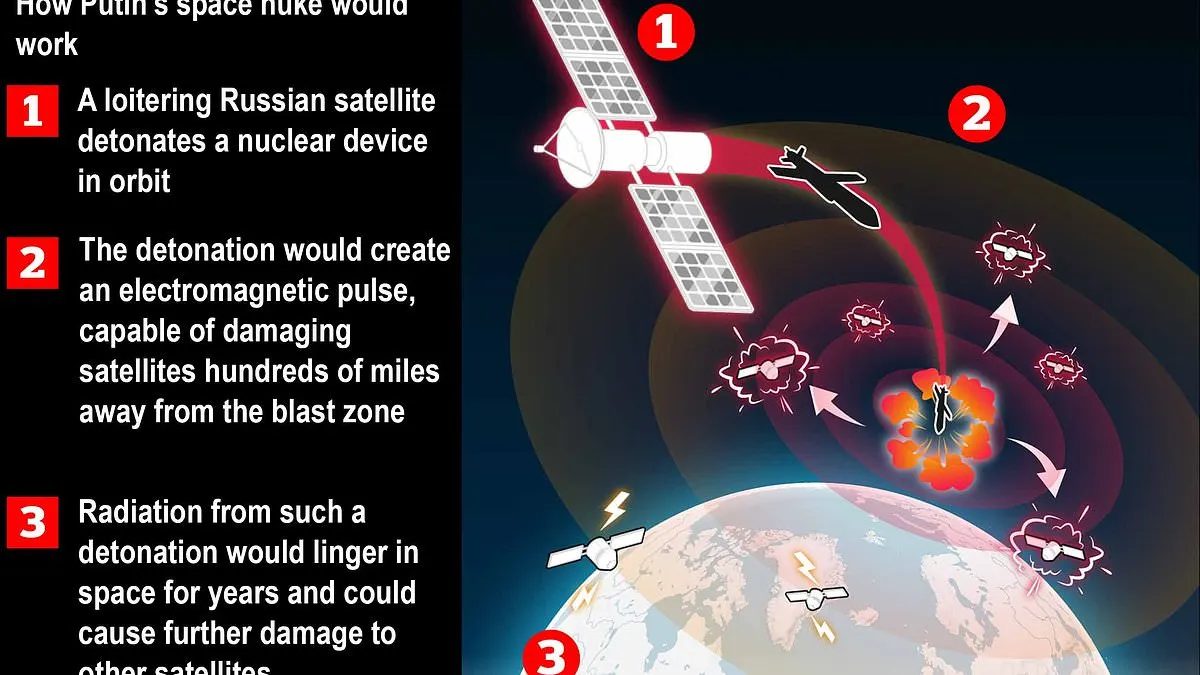
New reports shared among NATO countries say Russia may launch a nuclear-armed satellite before the end of the year. The European Space Agency’s chief called nuclear weapons in orbit “the ultimate nightmare scenario”, while NATO chief Mark Rutte said the alliance would assess its defences and protect its territory, including in space.
The satellite, reportedly called Sputnik-S, could disrupt or destroy other satellites used for communications, observation and navigation. Reports warn that widespread satellite failures could affect power grids and food deliveries; a German wargame found serious challenges in supplying the population. Russia dismissed the allegations as unfounded, and the 1967 Outer Space Treaty bans weapons of mass destruction in orbit.
- Sources
- 2
- Outlets
- 2
- Left · Centre · Right
- 0 · 1 · 1
In short
- Reports say Russia may launch a nuclear-armed satellite this year.
- ESA’s chief called nuclear weapons in orbit a nightmare scenario.
- Satellite disruption could affect essential services and supplies.
How this story developed
- 5 minutes ago The European Space Agency’s chief has warned that nuclear weapons in orbit would be “the ultimate nightmare scenario”, amid reports that Russia may launch a nuclear-armed satellite by the end of the year.
- 52 minutes ago New reports shared among NATO countries say Russia may launch a nuclear-armed satellite before the end of the year.
Where outlets differ
Centre outlets 1
Only here: nato, vows, defence, threat, russian
Right-leaning outlets 1
Only here: europe, warns, risks, armed, orbit
Every side used: chief, space, nuclear, satellite
Headline columns compared word for word; nothing in them is AI-written.
Steelman: both sides, in good faith
The strongest fair case each way — we don't pick a winner.
The case for
If the reports are credible, preparing for the possibility of a nuclear-armed satellite is prudent: even without a detonation, its potential to disable vital space infrastructure could threaten communications, navigation and essential services. Supporters of a stronger deterrence response could argue that clear planning and credible defences reduce the risk of coercion or miscalculation, while upholding the treaty’s ban on weapons of mass destruction in orbit.
The case against
The reports rely on anonymous sources and have been rejected by Russia, whose president has said Moscow opposes deploying nuclear weapons in space; treating them as established fact could inflame tensions or encourage an arms race. Critics could argue that governments should verify the claims and pursue diplomatic and treaty-based measures before changing deterrence policy, especially given the severe consequences of miscalculation.
Coverage · 2 sources
Bias meters
From 2 rated sources.
Read the full article at the source →
Originally published by Daily Mail as “‘The ultimate nightmare scenario’: European space chief’s dire warning as Putin ‘prepares to launch nuclear-armed satellite’”.