The unaccountability trap in government
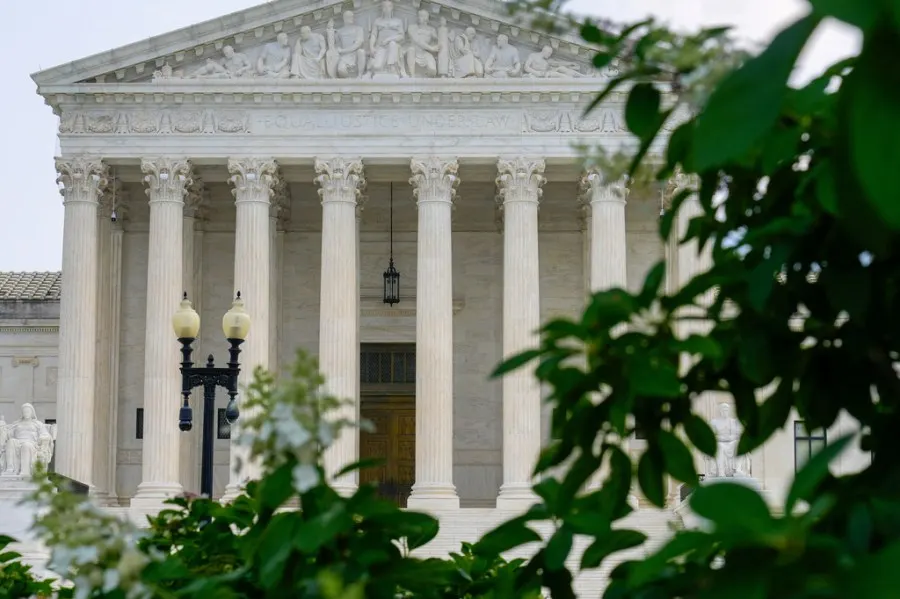
The supplied page does not contain the news article itself; it only states that access has been denied because JavaScript appears to be disabled. As a result, the article’s argument, events and supporting evidence cannot be assessed or summarised reliably.
The title and URL suggest the piece concerns government accountability, the Supreme Court and Federal Reserve independence, but these details alone are insufficient to establish its claims or context. No author, publication date, quotations, figures or substantive article text were provided.
In short
- The article content was unavailable.
- Only an access-denied notice was supplied.
- A reliable summary cannot be produced.
Explained simply
In the United States, government power is divided among elected officials, courts and independent agencies. The Supreme Court is the country’s highest court, while the Federal Reserve sets monetary policy, including decisions that affect interest rates.
Accountability means that public bodies can be scrutinised and, where appropriate, challenged or required to explain their decisions. The limits on political control of courts and the Federal Reserve matter because they shape how authority is checked and how economic decisions are made.