Politics news and discussion on TalkFuse.
The White House Spurned MAHA. Then The Medical Establishment Notched Big Wins.
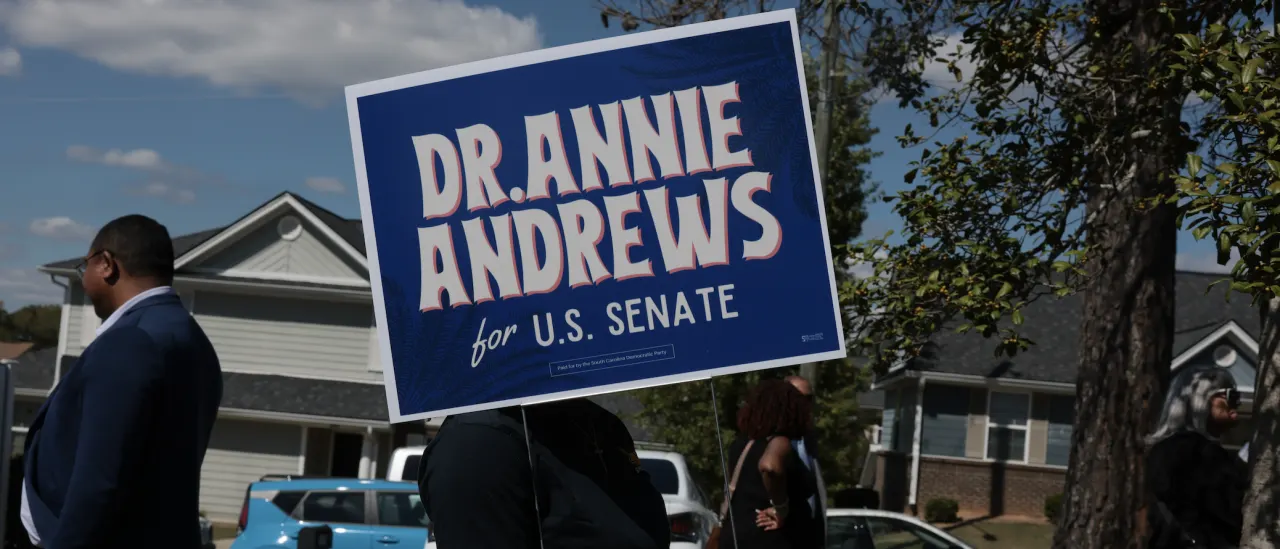
Democratic candidates with healthcare backgrounds won high-profile races in Ohio, South Carolina and Michigan, a result the article presents as a boost for supporters of established medical institutions. Their campaigns criticised Health Secretary Robert F. Kennedy Jr. and came amid frustration among some supporters of the Trump administration’s “Make America Healthy Again” agenda over changes to its vaccine, pesticide and nutrition policies.
Ohio Governor-elect Amy Acton, South Carolina Senator-elect Annie Andrews and Michigan Senator-elect Abdul El-Sayed were all backed by 314 Action, a group supporting candidates with science and technology backgrounds. Acton and Andrews have focused on health subsidies and drug costs, while El-Sayed supports Medicare for All; Andrews has also called for universal measles vaccination and changes to Medicaid policy. The article notes Acton led Ohio’s health department during the COVID-19 pandemic and that all three made Kennedy a target of criticism.
In short
- Three Democratic healthcare candidates won prominent races.
- All criticised HHS Secretary Robert F. Kennedy Jr.
- Their wins came as some MAHA supporters expressed disillusionment.
Steelman: both sides, in good faith
The strongest fair case each way — we don't pick a winner.
The case for
The results can be read as voters rewarding candidates who bring medical and public-health experience to office, particularly as they raised concerns about vaccine policy, healthcare costs and access to care. Their wins may also suggest that some voters who supported the MAHA agenda are dissatisfied with how the administration has handled its health priorities.
The case against
The elections do not by themselves show a broad rejection of MAHA or an endorsement of established medical institutions; candidates win for many reasons, and the article describes a small number of races. Supporters of MAHA could argue that questioning established health policy and pursuing changes to vaccines, pesticides and nutrition reflect a legitimate demand for greater scrutiny and reform, even if they disagree with these candidates’ approaches.