The Witcher 3 Remastered’s New Patch Adds Highly Requested Graphics Fix
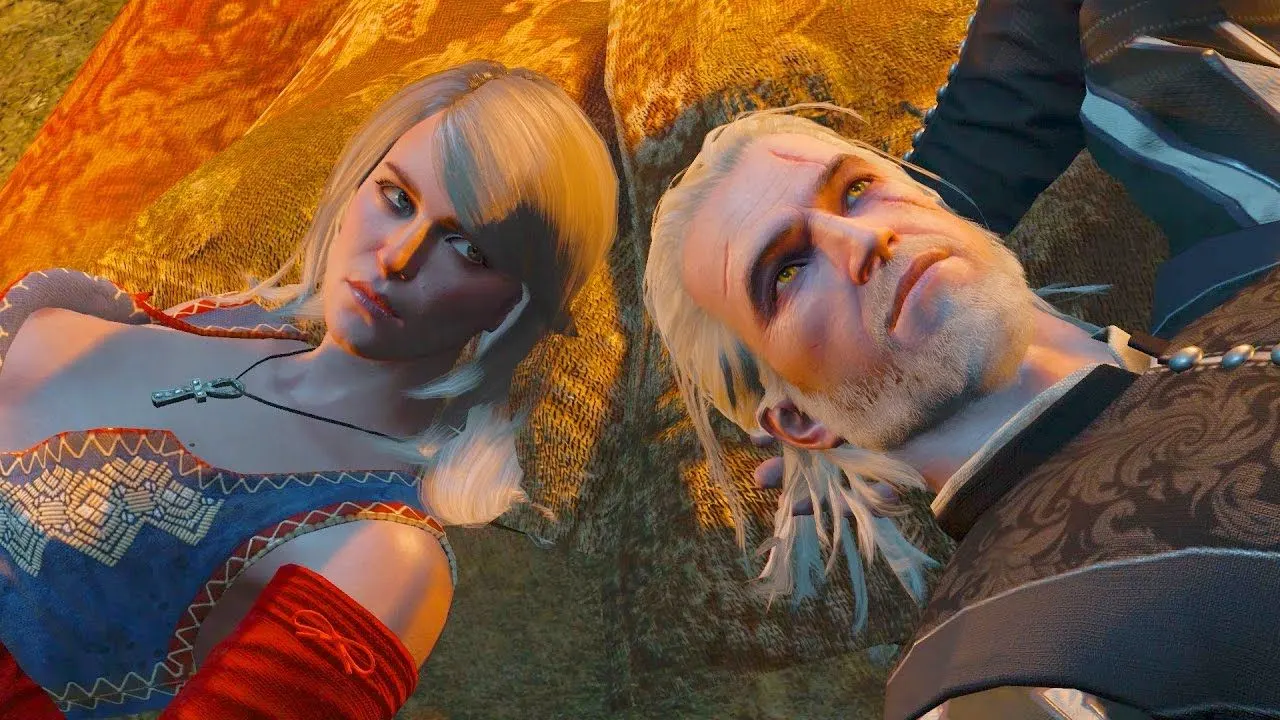
CD Projekt Red released Patch 5.01 for The Witcher 3: Wild Hunt Remastered on 9 October, addressing visual issues that had plagued players since the remaster's launch two weeks earlier. The update focused on resolving bloom settings that had left the game looking washed out, alongside graphics fixes and optimisation improvements across PC and console platforms.
The patch introduced significant customization options, allowing console players to toggle bloom off entirely and adjust light shafts and depth of field—features previously exclusive to PC. Performance has also been enhanced across PlayStation 5 and Xbox Series X/S, with PC users benefiting from improved dynamic resolution scaling. Whilst the update addressed widespread concerns, the patch notes comments section continues to fill with reports of remaining bugs and feature requests from the player base.
- Witcher 3 Remastered patch fixes bloom issue that made game look washed out
- Console players now get PC-exclusive graphics customization options
- Performance improved on all platforms despite lingering bug reports
New here? Start with this
The Witcher 3: Wild Hunt is a fantasy video game released in 2015 that has a significant player base. Polish developer CD Projekt Red has recently released a remastered version with updated graphics for modern gaming consoles and PCs.
Since its launch, the remaster has experienced visual problems that make the game appear washed out and overly bright. The issue involves bloom, a graphics effect designed to simulate how light behaves naturally, which was set too high in the remaster and created a hazy appearance.
The Witcher 3 has an engaged community of players. The technical quality of a remaster at launch is significant because it affects how players experience and receive the updated version.
Both sides, in good faith
The strongest fair case each way — we don't pick a winner.
The case for
CD Projekt Red has demonstrated commendable responsiveness by addressing widespread concerns about the remaster's visual quality within just two weeks of launch. The patch delivers meaningful improvements—fixing the washed-out appearance, introducing customisation options to console versions, and enhancing performance across all platforms. This kind of rapid, comprehensive engagement with player feedback illustrates a studio genuinely committed to quality and player satisfaction, which deserves appreciation in an industry where responsiveness to post-launch issues is far from guaranteed.
The case against
The necessity of this significant patch reveals troubling quality control failures in the remaster's release. A remastered version of an established game should not launch with widespread visual problems severe enough to describe the image as washed out, nor should console versions lack basic graphics customisation features available on PC. Rather than praise the studio for fixing these issues, the focus should be on questioning why such fundamental problems were not caught before release, which raises broader concerns about the development and testing processes.