Entertainment news and discussion on TalkFuse.
The “world’s best” singer Ian Anderson knew deserved better
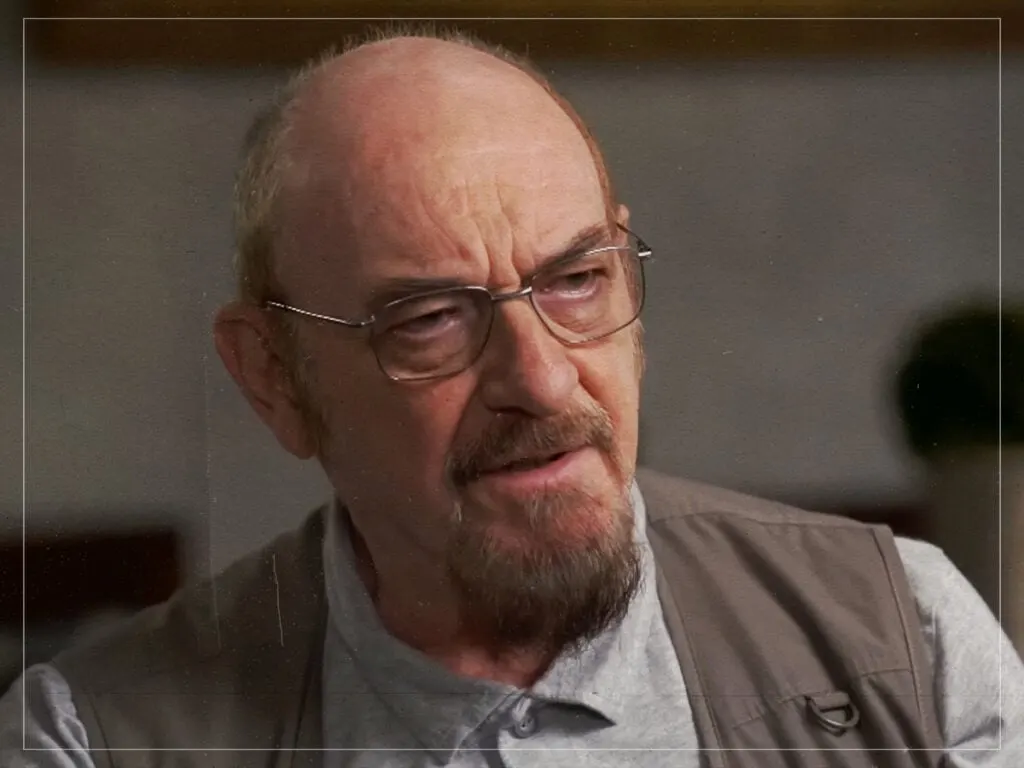
Jethro Tull’s Ian Anderson said Luciano Pavarotti, despite being regarded as the world’s best-known opera singer, deserved greater understanding as his voice declined in later life. Anderson argued that performers should adapt honestly to age and changing abilities rather than be forced to reproduce their peak performances for audiences.
He contrasted Pavarotti’s situation with rock musicians who can alter their style over time, while classical singers are often expected to maintain exceptional technical standards indefinitely. Anderson said Pavarotti struggled to meet expectations during the final 12 to 15 years of his life, despite his lasting status as one of music’s greatest voices.
In short
- Anderson sympathised with Pavarotti’s late-career vocal decline.
- He criticised unrealistic expectations of ageing performers.
- He favoured authenticity over recreating past peak form.
Steelman: both sides, in good faith
The strongest fair case each way — we don't pick a winner.
The case for
Ian Anderson's position reflects a compassionate recognition that aging is natural and inevitable, even for great artists. He argues that classical music's inflexible demands for technical perfection across an entire career are uniquely harsh compared to other genres, where artists openly evolve their work. Pavarotti's contributions to music were extraordinary, and understanding rather than judgment seems appropriate as his voice naturally changed with age.
The case against
Opera is a technically demanding art form where audiences pay substantial sums expecting excellence in execution. The standards of classical music performance—unlike rock, where vocal wear is more tolerable—are fundamental to the art itself. One could argue that the most honourable path for aging singers is graceful retirement rather than continuing performances that fall short of their own legacy, preserving both their reputation and the integrity of the performances they offer.
Explained simply
Luciano Pavarotti was an Italian opera singer who became one of the most celebrated and recognisable figures in classical music during the late twentieth century. His extraordinary talent and powerful voice made him a global superstar, bringing opera to mainstream audiences worldwide.
As musicians age, their physical abilities naturally change, but the expectations placed upon them differ dramatically depending on their genre. Rock and pop musicians are generally free to adapt their performances and vocal styles as they grow older, whereas classical opera singers are often held to the same exacting technical standards they met in their prime.
The tension between these different approaches raises questions about how audiences judge ageing performers and whether our expectations are fair. Ian Anderson's comments highlight the particular struggle experienced by classical singers who may feel pressure to maintain peak-level performances long after their abilities have naturally changed with age.