World news and discussion on TalkFuse.
There is a showdown looming in the Democratic party over support for Israel | Moustafa Bayoumi
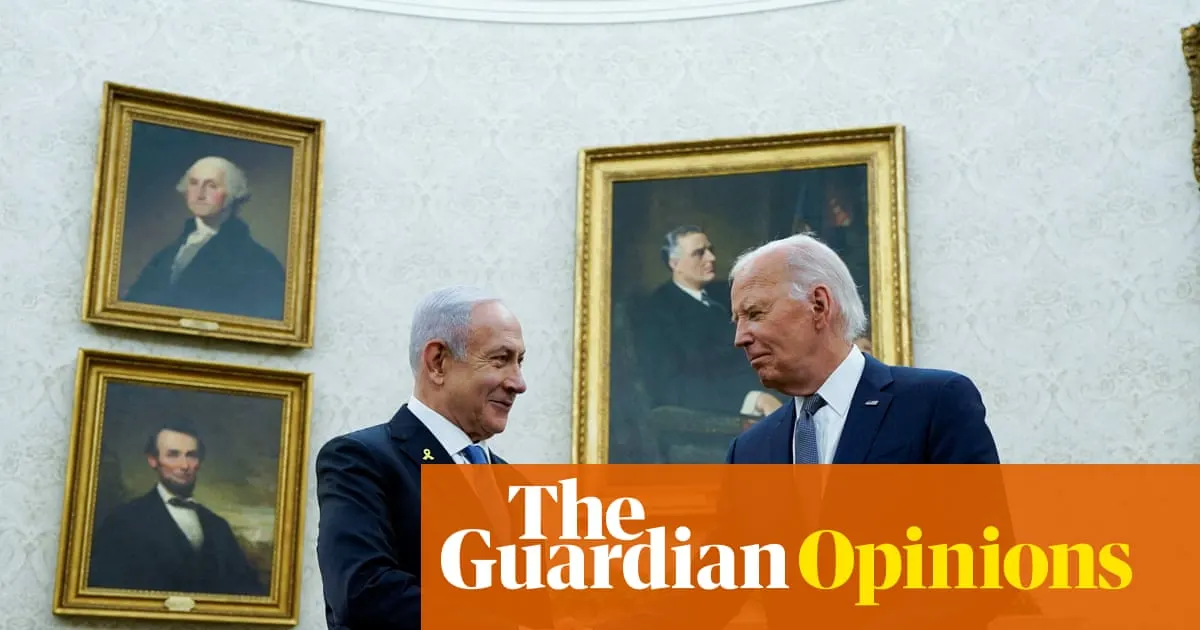
Abdul El-Sayed’s victory in Michigan’s Senate race is presented as evidence that Democratic voters care about Gaza and Palestinian rights, and that support for Israel may be becoming a political liability. The result could sharpen a conflict between the party’s established leaders, who have backed pro-Israel positions, and newer progressive members.
El-Sayed campaigned on healthcare and the influence of money in politics while facing Islamophobic attacks and more than $150 million in spending against him, much of it linked to pro-Israel groups, according to OpenSecrets. The article says AIPAC has shifted its political activity towards other channels, including the United Democracy Project super PAC. It also names several incoming Democrats who voiced support for Palestinians, and notes that Hakeem Jeffries and Chuck Schumer have longstanding ties to pro-Israel politics.
In short
- El-Sayed’s win may intensify debate over Israel policy within the Democratic Party.
- More than $150 million was spent against his campaign.
- Several incoming Democrats have voiced support for Palestinian rights.
Steelman: both sides, in good faith
The strongest fair case each way — we don't pick a winner.
The case for
El-Sayed’s victory may signal that Democratic voters increasingly expect their representatives to address Palestinian rights and the humanitarian costs of Israel’s actions. A party that takes those concerns seriously could better reflect its diverse electorate, resist the influence of large political donations and avoid treating support for Israel’s government as a political litmus test.
The case against
Established Democrats may argue that maintaining strong support for Israel reflects a longstanding security and diplomatic commitment, and that disagreement with Israeli policy need not mean weakening that relationship. They may also caution against reading one primary result as proof of a broad shift in voter priorities, especially when candidates’ campaigns turn on many issues and local circumstances.
Americas Elections Government Middle East Politics World