Russian dissidents face rising deportations despite risks of imprisonment and war
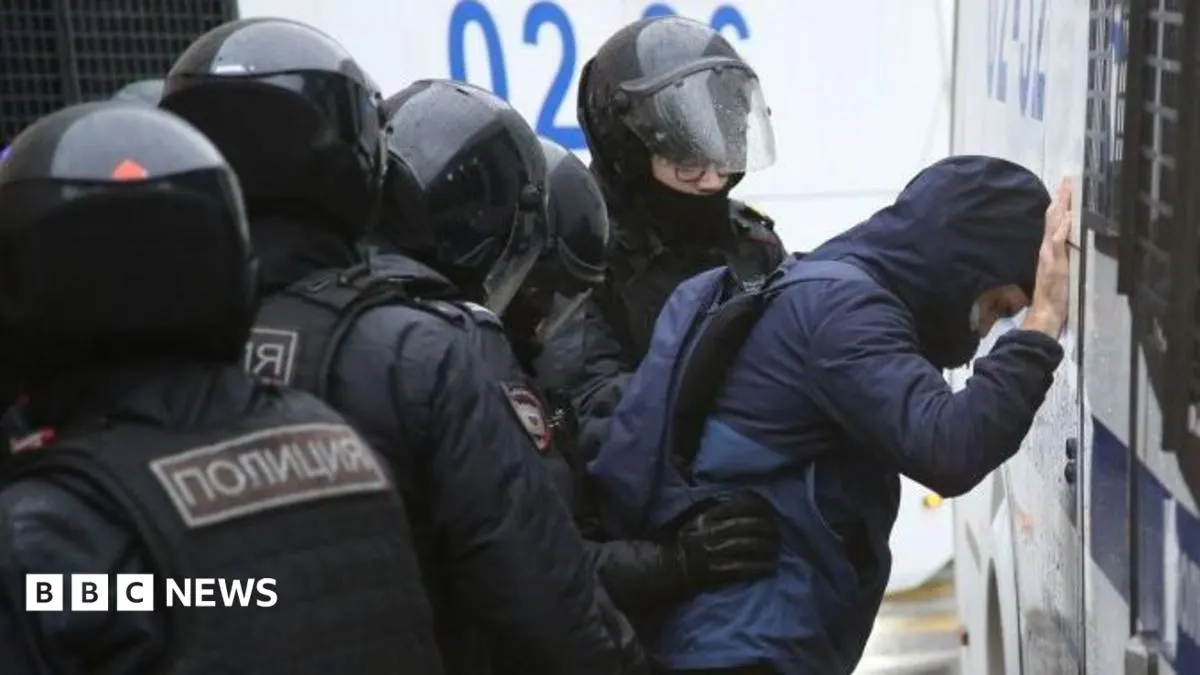
Katya, a Russian anti-war activist whose US asylum claim was rejected, says she was interrogated by security officers when she was deported to Moscow in December. Her account highlights the danger dissidents may face when returned to Russia, where criticism of the government can lead to imprisonment and some returnees have been sent to war.
US removals of Russian nationals rose from 222 in 2023 to more than 1,200 in 2025. Germany’s deportations increased from seven to more than 110 over the same period, while its approval rate for Russian asylum claims fell from 29% in 2023 to 6.8% in the first eleven months of 2025. Across the EU, the share receiving some form of protection fell from 23% in 2024 to about 17% in the first nine months of 2025.
- Russian dissidents are increasingly being deported from Western countries.
- Some returnees face interrogation, prison or military enlistment.
- Asylum approval rates have fallen in the US and Europe.
New here? Start with this
Russia has laws and security agencies that punish some forms of opposition to the government, including public criticism of its invasion of Ukraine. People who oppose the war may face questioning, prosecution or imprisonment if they return.
Russian nationals seeking asylum abroad must show that they qualify for protection under the rules of the country where they apply. Governments decide whether to grant asylum or another form of protection, and can deport people whose claims are rejected.
The figures show that deportations of Russian nationals have risen in the United States and Germany, while approval of asylum claims has fallen in Germany and across the EU. The issue matters because a return can place people who have opposed the Russian government at risk, and some returnees have been sent to fight in the war.
Both sides, in good faith
The strongest fair case each way — we don't pick a winner.
The case for
Governments can argue that asylum systems must distinguish people who meet the legal test for protection from those whose claims do not, and that rejected applicants should generally be returned under consistent rules. Applying those rules helps preserve public confidence in asylum and the capacity to protect people whose cases qualify, while rising removal figures alone do not show that individual decisions were unsound.
The case against
Critics can argue that returning Russian dissidents may expose them to interrogation, imprisonment or deployment to the war, making mistaken refusals exceptionally consequential. Given the risks of opposing the Russian government and the difficulty of assessing individual danger, falling approval rates and rising deportations warrant careful scrutiny of whether claims are being assessed with sufficient caution.
Americas Celebrity Entertainment Europe Government Politics World
Read the full article at the source →
Originally published by BBC World as “They fled Russia, but the West sent them back”.