Politics news and discussion on TalkFuse.
‘They want us to fight’: Jeffries outlines priorities as Democrats prepare to take power
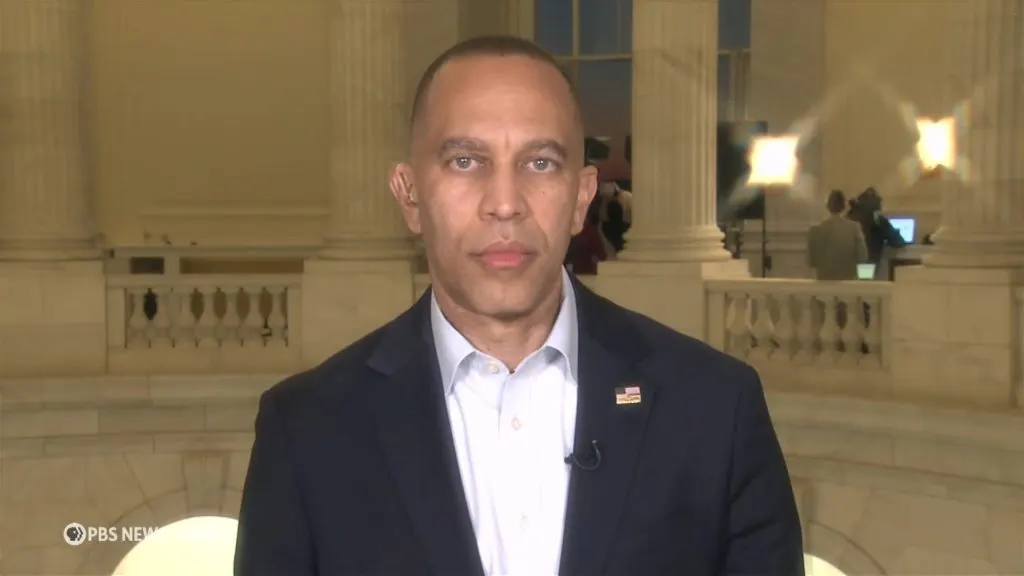
Hakeem Jeffries, poised to become the next US House Speaker after Democratic midterm gains, outlined his priorities as Congress prepares for its new session. He said Democrats would focus on accountability, including his support for impeaching Defence Secretary Pete Hegseth, while leaving open whether they might pursue other impeachment efforts.
Jeffries said he believes Hegseth abused his power and weakened national security, and blamed him for a costly war of choice in Iran. He also said Congress needs further classified briefings about the Nvidia issue involving chief executive Jensen Huang and a woman accused of being a Chinese spy, so lawmakers can assess any possible national security damage. Jeffries said he could not yet draw conclusions about when the administration learned of the matter or whether it should have acted sooner.
In short
- Jeffries backs an impeachment resolution against Pete Hegseth.
- He has not ruled out further impeachment efforts.
- He says lawmakers need more briefings on the Nvidia issue.
Steelman: both sides, in good faith
The strongest fair case each way — we don't pick a winner.
The case for
Supporters of Jeffries’s approach could argue that Congress has a duty to investigate alleged abuses of power and scrutinise decisions that may have harmed national security, regardless of party. They may see impeachment as a constitutional check if evidence supports serious misconduct, while calling for classified briefings before drawing conclusions about the Nvidia matter as a prudent way to assess the risks.
The case against
Critics could argue that announcing support for impeaching Hegseth before further evidence is publicly examined risks making accountability look partisan and could distract Congress from other work. They may also favour a cautious, evidence-led inquiry into the Nvidia matter, warning that premature blame or politicised handling of classified information could undermine sound national-security oversight.
Explained simply
The US Congress has two chambers: the House of Representatives and the Senate. The Speaker leads the House, helps set its agenda and has a major role in deciding which bills and investigations lawmakers pursue. Hakeem Jeffries is a Democratic congressman from New York; after his party’s gains in the midterm elections, he is expected to become Speaker when the new House session begins.
The House can investigate government officials and, by a majority vote, impeach them, which is a formal accusation of wrongdoing. Impeachment does not itself remove an official: the Senate holds a trial and decides whether to convict and remove them. Pete Hegseth is the US defence secretary, responsible for leading the Defence Department.
Nvidia is a major US technology company, and its chief executive is Jensen Huang. Classified briefings give lawmakers access to sensitive information that cannot be made public; Congress uses them to examine possible national security concerns and the government’s handling of them.