NASA seeks commercial plans to boost or safely retire Hubble
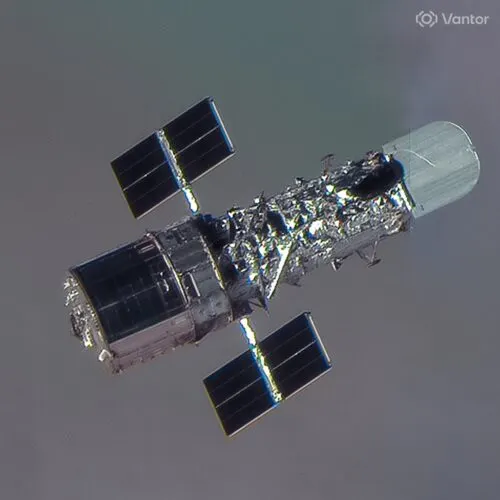
NASA is asking commercial companies how they could reboost, service or safely dispose of the Hubble Space Telescope, which has been gradually losing altitude since its orbit was last raised in 2002. Without intervention, forecasts suggest it could re-enter Earth’s atmosphere in 2033 or 2034, ending the mission of a telescope that has shaped astronomy for 36 years.
The request for information, with responses due by 30 November, asks about companies’ ability to reach Hubble by 2032 and raise it to at least 600 kilometres, improve its performance or guide a controlled re-entry. NASA has not committed to buying a mission. Earlier proposals, including a 2022 study that drew eight responses, did not proceed; a successful boost to the requested altitude could keep Hubble in orbit for at least another 25 years.
In short
- NASA is seeking commercial plans to extend Hubble’s time in orbit.
- Without intervention, Hubble could re-enter in 2033 or 2034.
- NASA wants proposals for a mission by 2032.
Steelman: both sides, in good faith
The strongest fair case each way — we don't pick a winner.
The case for
A commercial mission could extend Hubble’s scientific life and preserve an observatory with a long record of discoveries, while drawing on private-sector capabilities that may offer NASA new options. Seeking proposals does not commit the agency to a purchase, and a controlled re-entry provides a responsible alternative if continued operation is not practical.
The case against
A boost or servicing mission would require public resources and would need to show that its scientific value justifies the cost, especially as NASA balances other priorities and newer observatories. Since earlier proposals did not proceed, companies may struggle to offer a feasible plan; if so, planning for a controlled re-entry could be a more prudent way to manage Hubble’s eventual return to Earth.
Explained simply
Hubble is a space telescope that orbits Earth and observes the universe above the atmosphere. Since its launch in 1990, it has produced observations used to study objects ranging from nearby planets to distant galaxies.
Hubble’s orbit has been gradually getting lower, and NASA last raised it in 2002. NASA is now asking companies to outline ways to reach the telescope, raise its orbit, service it or guide it back through the atmosphere in a controlled way.
NASA has not decided to fund a mission. The options matter because they could affect how long Hubble remains in orbit and how its mission eventually ends.
Read the full article at the source →
Originally published by Ars Technica as “Think you can save the Hubble Space Telescope? NASA wants to know.”.