This Atlantic hurricane season is about to do something that hasn’t happened in 175 years
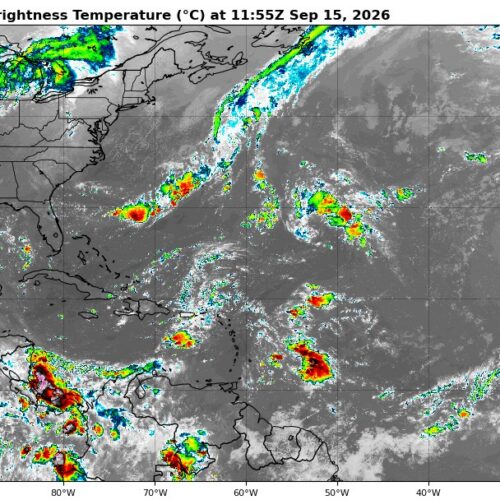
The Atlantic hurricane season has, remarkably, produced no hurricane by its traditional peak around 10 September, something that has not happened since records began being reliably kept. While weak tropical storms have formed, none have strengthened into a hurricane, largely because the main development region has been suppressed by Saharan dust and strong wind shear. This is good news for coastal communities and energy markets, since landfalling hurricanes cause severe damage and offshore storms in the Gulf of Mexico can drive up energy prices, but it also reflects a broader climatic shift with less welcome consequences elsewhere.
Aircraft-based monitoring since 1944 shows a hurricane had always formed by 11 September until now, with the previous latest "firsts" being Gustav in 2002 and Humberto in 2013; extending records back to 1851 finds the latest-ever first hurricane was on 17 September 1941. The season's accumulated cyclone energy, a standard activity measure, ranks last out of 77 years of data at just 7% of normal. The cause is an unusually strong El Niño, with Pacific temperatures nearly 3°C above baseline, which generates hostile wind shear over the Atlantic. Forecasters caution the season still has until the end of November to produce a hurricane, but warn that El Niño's wider effects, including disrupted rainfall, Panama Canal shipping problems and possible poor harvests, are likely to outweigh the benefit of a quiet hurricane season, while also priming 2027 to become the hottest year on record.
- No Atlantic hurricane has formed by mid-September for the first time on record
- Saharan dust and El Niño-driven wind shear are suppressing storm formation
- Strong El Niño may bring worse effects later, including record 2027 heat