Technology news and discussion on TalkFuse.
Those white cameras mounted above traffic lights serve a little-known purpose
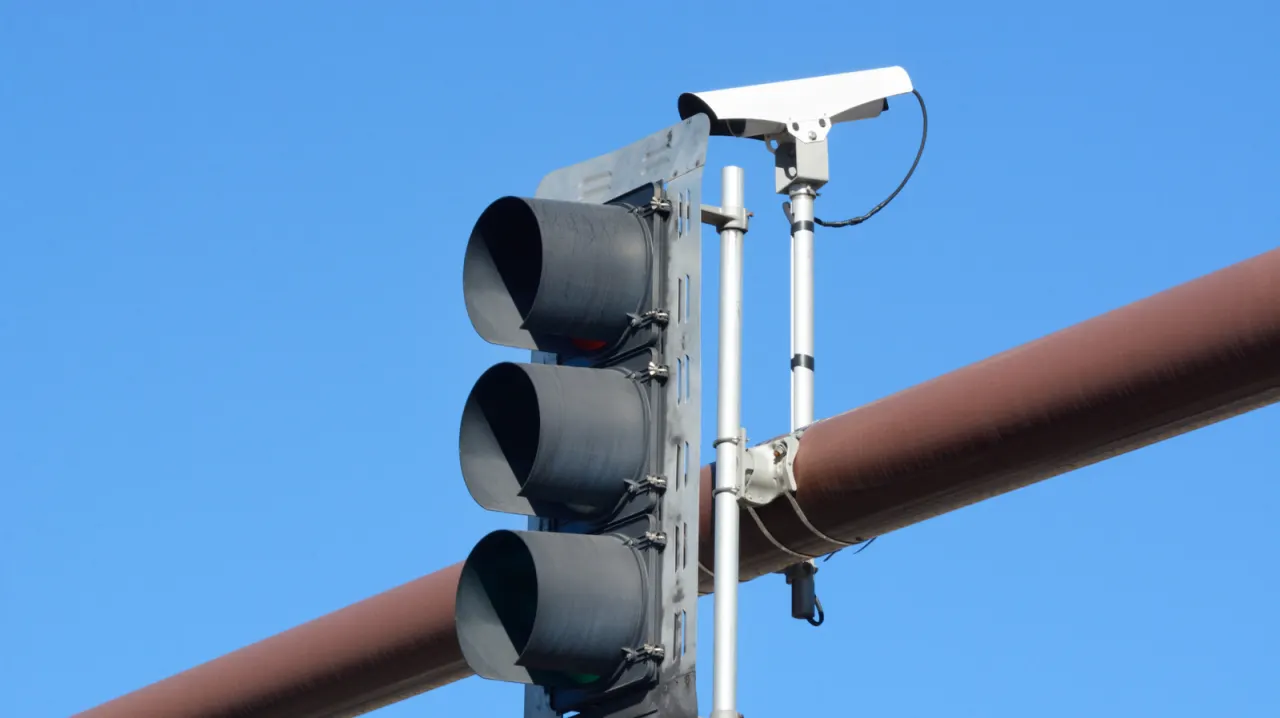
The white cameras mounted above many traffic lights are generally used to monitor traffic or help control signal timings, rather than identify individual drivers. Their purpose is to ease congestion, spot incidents and, where needed, alert emergency responders.
Some systems provide live footage for transport staff, who can adjust signals or study traffic patterns to plan road changes. Others detect vehicles in a defined area and trigger pre-programmed light sequences; intersections may also use radar, infrared cameras or road sensors. Uses vary by location and local laws, while cameras for enforcing red-light or speed rules are a separate category.
In short
- Most traffic-light cameras monitor conditions or help time signals.
- Some detect vehicles and trigger pre-programmed light changes.
- Their use depends on local needs and laws.
Explained simply
Traffic lights are managed by local transport authorities, who aim to keep vehicles moving safely through busy junctions. To do this, some use cameras or other sensors to monitor traffic and help set signal timings.
The equipment can support different tasks: staff may view traffic conditions, or sensors may detect vehicles and prompt a planned change in the lights. This can help authorities respond to congestion or incidents and plan road improvements.
The technology and rules vary between places. Traffic-monitoring cameras are generally distinct from cameras used to enforce speed limits or red-light rules, which have a separate enforcement role.