Culture news and discussion on TalkFuse.
Tim Scott goes scorched earth on El-Sayed: ‘He’s for Hamas, but he’s against America’
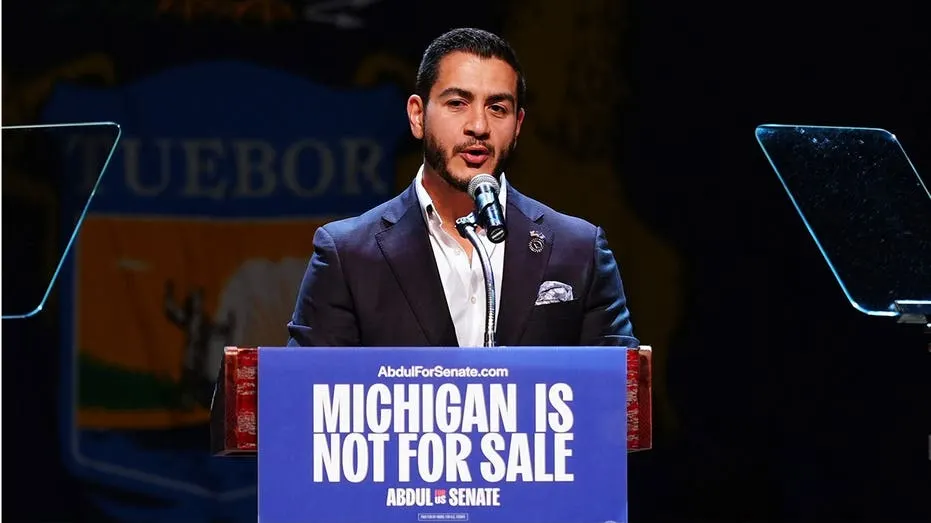
Senator Tim Scott, chair of the National Republican Senatorial Committee, has launched a sharp attack on Democratic Michigan Senate nominee Dr Abdul El-Sayed, accusing him of sympathising with Hamas and embracing socialism as Republicans seek to frame him as a far-left extremist. The attack comes after El-Sayed narrowly won the Democratic primary against the more moderate Rep Haley Stevens, a result Republicans believe strengthens their chances of flipping the open Michigan Senate seat being vacated by retiring Senator Gary Peters.
Scott is backing former Rep Mike Rogers, the GOP's 2024 nominee who has Donald Trump's endorsement, arguing Rogers is better funded and organised than in his previous, narrower defeat to Senator Elissa Slotkin. Republicans are also highlighting El-Sayed's past remarks and his association with Twitch streamer Hasan Piker to reinforce their extremism claims, while Democratic leaders Chuck Schumer and Kirsten Gillibrand have moved to unite the party behind El-Sayed following his bruising primary win over Stevens and Mallory McMorrow, pledging to help him win the seat in November.
In short
- Tim Scott brands Democrat Abdul El-Sayed pro-Hamas and far-left extremist.
- El-Sayed won Michigan's Democratic Senate primary over Haley Stevens.
- Republicans back Trump-endorsed Mike Rogers to flip the open seat.
Steelman: both sides, in good faith
The strongest fair case each way — we don't pick a winner.
The case for
El-Sayed's past statements and associations with figures critical of Israel raise legitimate questions about whether his policy priorities align with mainstream American security interests. Republicans argue it is reasonable for swing-state voters to scrutinise whether a candidate's positions on healthcare, economics, and foreign policy represent a significant departure from Democratic tradition. Such scrutiny constitutes standard political discourse in competitive elections.
The case against
Republicans are misrepresenting mainstream Democratic policy positions as extremism through inflammatory rhetoric and guilt-by-association. Supporting Palestinian rights or progressive healthcare reform reflects views held across the Democratic coalition, and labelling them 'pro-Hamas' and 'socialist' distorts rather than engages with El-Sayed's actual platform. Michigan voters have already endorsed him in the primary, and the general election should rest on substantive policy comparison.
Explained simply
Michigan’s open Senate seat is up for election because Democratic senator Gary Peters is retiring. The Democratic primary chose Dr Abdul El-Sayed, a doctor and former state health director, over Representative Haley Stevens and state senator Mallory McMorrow; Republicans have nominated former representative Mike Rogers.
The Senate is part of the US Congress, and control of it can affect how laws are passed and government appointments are approved. The race has drawn national attention because Republicans see Michigan as a chance to gain a seat, while Democratic leaders are working to unite their party behind El-Sayed.
Art Culture Government Politics World