Baillie Gifford US Growth Trust shareholders face another Saba board challenge
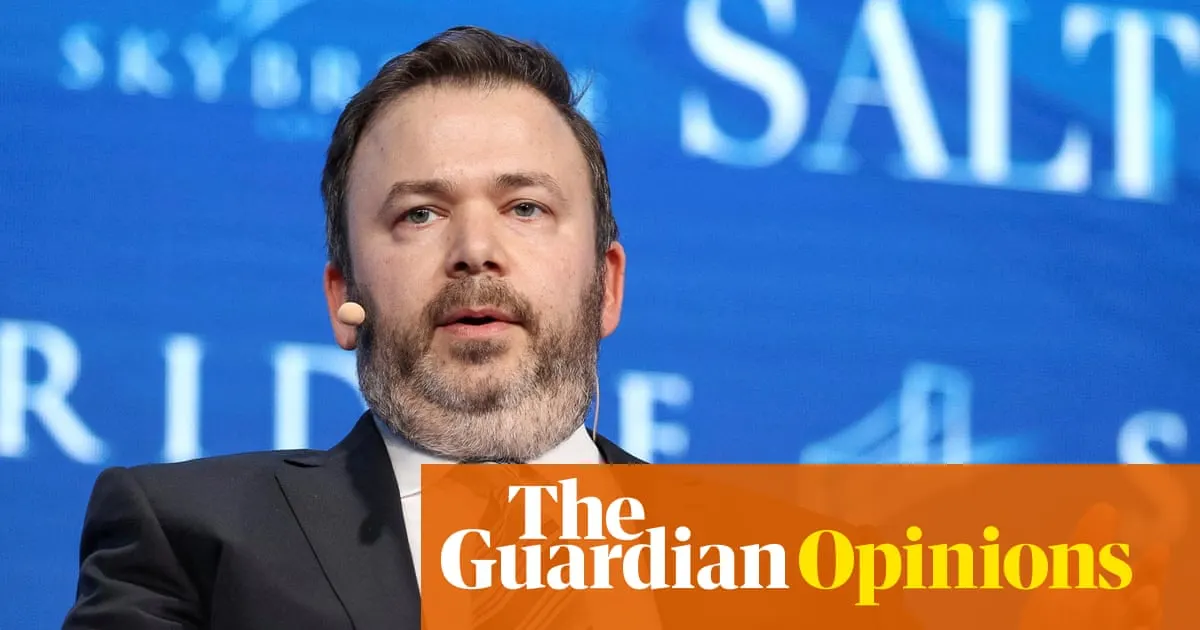
Boaz Weinstein's US hedge fund Saba Capital is pressing the FTSE 250's Baillie Gifford US Growth Trust to elect three of its nominees to the board at next week's annual meeting. The move represents another attempt by the New York firm to shake up UK investment trusts by taking large stakes and demanding changes, though regular shareholders have rejected Saba's overtures twice in the past 18 months.
Saba, which holds nearly 30% of USA (the fund's ticker), is demanding a 100% cash exit at or near net asset value for all shareholders, though the fund's board says it has already offered this option. USA has delivered annualised returns of 16.7% since launching in 2018, beating the S&P 500 and ranking in the top 10% of UK investment companies, but recent five-year performance has lagged due to AI valuation volatility. The fund's portfolio includes major stakes in high-growth companies such as Anthropic, OpenAI and SpaceX. Saba has not spelled out its full plan if its nominees are elected, fuelling suspicion it may seek to appoint itself as manager or merge USA into a Saba-managed vehicle, and investment analysts argue shareholders should support the existing board's proven track record.
- Saba Capital demands board seats and a cash exit option
- USA fund has beaten S&P 500 since 2018 despite recent volatility
- Shareholders told Saba to get lost twice before but must vote again
New here? Start with this
Saba Capital, a New York hedge fund, owns nearly 30% of Baillie Gifford US Growth Trust and is demanding greater influence over its direction. Next week, it will push shareholders to elect three of its chosen nominees to the trust's board. This is Saba's third attempt in 18 months to reshape the board after shareholders twice rejected its previous overtures.
Baillie Gifford US Growth Trust is an investment company that invests in high-growth American firms including Anthropic, OpenAI and SpaceX. Since launching in 2018, it has delivered returns of 16.7% per year on average, significantly beating the wider US stock market, though its five-year performance has weakened recently due to fluctuations in artificial intelligence valuations. The fund is governed by a board of directors elected by shareholders, making it a target for activist investors like Saba seeking to gain control.
Saba demands the trust provide shareholders with a full cash exit at net asset value, though the board contends it has already offered this option. What Saba would do if its nominees won board seats remains unclear, fuelling speculation among analysts that it may attempt to appoint itself as manager or merge the trust into a Saba-managed vehicle. The existing board argues shareholders should reject the challenge given its demonstrated ability to deliver strong long-term returns.
Both sides, in good faith
The strongest fair case each way — we don't pick a winner.
The case for
Saba Capital, as a substantial minority shareholder holding nearly 30%, argues that board refreshment and new perspectives could better serve all shareholders' interests, particularly given the fund's underperformance relative to competitors over recent years. Their offer of guaranteed cash exits at net asset value provides valuable optionality, and activist ownership can challenge complacency whilst ensuring management remains accountable to shareholders who have rejected the status quo twice, suggesting legitimate appetite for change.
The case against
The incumbent board points to a proven track record of strong performance—16.7% annualised returns, beating the S&P 500, top 10% ranking—whilst noting it has already provided the cash exit Saba demands. Saba's unwillingness to disclose its full plan creates concerning ambiguity about whether it seeks to install itself as manager or pursue mergers, introducing unnecessary uncertainty; established performance and strategy continuity should prevail over activist pressure with undeclared intentions.
Americas Business Elections Markets Politics Software Technology UK World
Read the full article at the source →
Originally published by The Guardian as “Time to tell US raider Saba Capital to get lost – again | Nils Pratley”.