Tokyo Opener ‘Sukiyaki’ Director Zeze Takahisa on the Protest Roots of a Global Japanese Pop Hit: ‘The Culture Used to Be Wide Open – Now It’s Become Narrower’
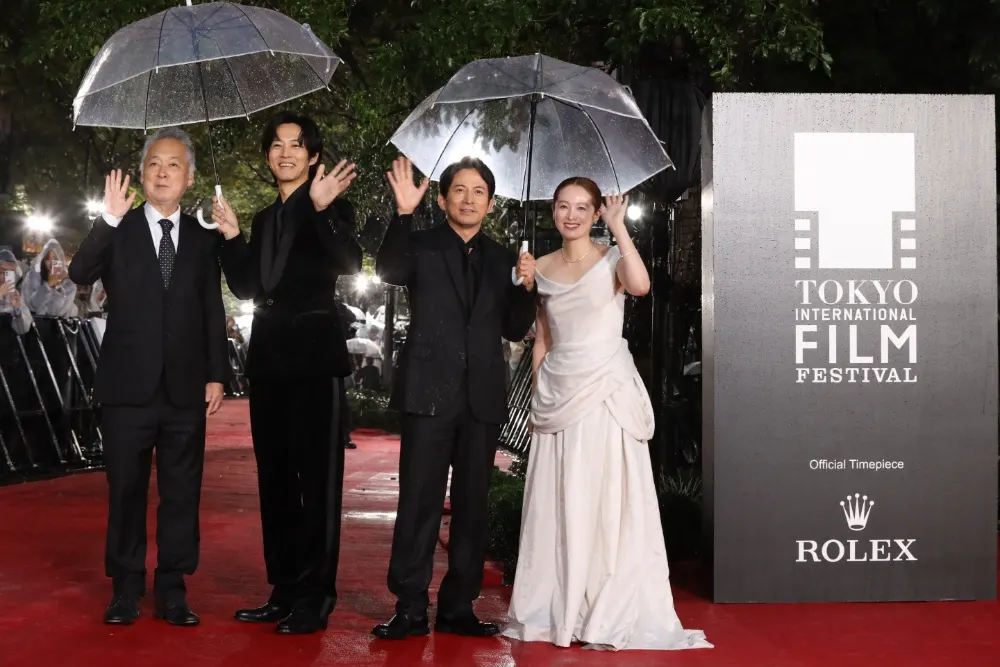
Director Zeze Takahisa’s film “Sukiyaki”, opening the 39th Tokyo International Film Festival, traces how the Japanese song became a global hit in 1963 and explores the lives and tensions of its creators. Zeze says the story also speaks to Japan today, arguing that its popular culture has become less open to influences from abroad.
The film follows lyricist Ei Rokusuke, composer Nakamura Hachidai and singer Sakamoto Kyu, known as the “689 trio”, through their collaborations and personal difficulties. Ei drew inspiration for the lyrics from 1960 demonstrations against the Japan-US Security Treaty, encouraging people to keep their heads up despite defeat; the song’s emotional force travelled abroad even where listeners did not understand the words.
In short
- “Sukiyaki” became a worldwide hit in 1963.
- Its lyrics were inspired by failed protests against a security treaty.
- Zeze sees the film as a reflection on Japan’s narrowing cultural openness.
Steelman: both sides, in good faith
The strongest fair case each way — we don't pick a winner.
The case for
Zeze’s view can be defended by pointing to the song’s origins in protest and its ability to resonate across language and national boundaries, suggesting that cultural exchange can enrich Japanese popular culture. If today’s culture draws less readily on outside influences, it may have fewer opportunities for the kind of creative cross-pollination that helped make “Sukiyaki” distinctive.
The case against
A more cautious view is that the success of one song from 1963 does not show that Japanese popular culture as a whole was more open then or has since narrowed. Cultural exchange can continue in new forms, while a stronger focus on domestic traditions may also reflect artists’ choices and audiences’ interests rather than a loss of openness.
Explained simply
In 1960, Japan saw large demonstrations against a security treaty with the United States, which allowed US forces to remain in the country. Lyricist Ei Rokusuke drew on the protests when writing words about keeping one’s head up after defeat.
The song was composed by Nakamura Hachidai and sung by Sakamoto Kyu; together with Ei, they became known as the “689 trio”. In 1963, it became a hit around the world, including among listeners who did not understand its Japanese lyrics.
The film uses the song’s creation to explore the trio’s working relationships and personal difficulties. It also raises questions about how Japanese popular culture has changed and how it engages with influences from abroad.
Art Asia Culture Entertainment Film Music World