Toll booth Britain! Labour set to hand sweeping powers to private firms allowing them to clobber drivers with new road tolls in latest ‘war on motorist’
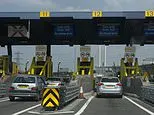
Ministers are drawing up plans to hand private companies the power to impose new tolls on Britain's roads, in what critics are calling the latest instalment of Labour's "war on motorists". Under the proposed Highways (Financing) Bill, firms that fund the building or upgrading of roads would become the effective highway authority for that stretch, allowed to charge drivers to recoup their costs, including on roads currently free to use. Supporters say the model could unlock investment for infrastructure the state cannot afford, but opponents warn it risks creating a "wild west" of inconsistent, profit-driven charges similar to long-running complaints about the Dartford Crossing.
The bill, tabled without a written parliamentary statement, would let licensed firms install number plate recognition cameras to penalise non-payers, and would apply to both new and upgraded existing roads. Transport Secretary Heidi Alexander said the funding model has worked in sectors such as energy and aviation, but Tory shadow transport secretary Richard Holden and Reform UK's Richard Tice both accused Labour of quietly pursuing punitive charges on drivers, while the AA's Edmund King argued it would be unfair given motorists already pay almost £35 billion a year in fuel duty and vehicle tax. The plans come alongside other recent measures affecting drivers, including a proposed pay-per-mile levy for electric and hybrid vehicles, a planned rise in fuel duty, and proposals to more than double parking fines outside London.
In short
- Labour bill would let private firms toll roads they build or upgrade
- Existing free roads could also face new charges under the plans
- Critics warn of a "wild west" of punitive, profit-driven road charges
Steelman: both sides, in good faith
The strongest fair case each way — we don't pick a winner.
The case for
Proponents argue that Britain's road network needs investment the public purse simply cannot stretch to, and that allowing private firms to fund construction or upgrades in exchange for recouping costs through tolls is a pragmatic way to get infrastructure built that would otherwise stay on the drawing board. They point to precedents in energy and aviation where private capital has funded major projects under regulatory oversight, arguing the same model could deliver new or improved roads without raising general taxation. On this view, motorists who use a new bypass or upgraded route benefit directly from paying a toll for a road that would not otherwise exist, and modern number-plate recognition technology simply ensures the costs are recovered fairly from those who use it.
The case against
Critics counter that motorists already contribute close to £35 billion a year through fuel duty and vehicle taxation, and that handing private companies the power to impose further charges, including on roads currently free to use, risks an unfair double payment. They warn this could produce a fragmented, inconsistent patchwork of charges driven by profit rather than public benefit, echoing long-standing complaints about the Dartford Crossing, and note the bill was tabled without a written parliamentary statement, limiting scrutiny of such a significant change. Seen alongside a proposed pay-per-mile levy, a fuel duty rise and steeper parking fines, opponents argue this represents a cumulative squeeze on drivers who have few practical alternatives to using the roads.
Explained simply
Ministers are considering a shift in how new and improved roads get paid for, allowing private companies to fund construction in exchange for the right to charge drivers who use them. This would apply not just to brand-new roads but potentially to existing free routes that get upgraded, with firms using number plate cameras to catch those who do not pay. The idea sits within a wider planning bill going through government, and echoes existing arrangements such as the Dartford Crossing, where a private operator already charges a toll.
The move has drawn criticism from opposition politicians and motoring groups, who argue it amounts to yet another cost for drivers already paying substantial sums in fuel duty and vehicle tax. Transport Secretary Heidi Alexander has pointed to similar funding models used successfully in other industries, such as energy and aviation, as a justification for the approach. Critics, however, worry that allowing multiple private firms to set their own charges could lead to inconsistent and unpredictable costs across the road network.
This debate is unfolding alongside several other proposed changes affecting drivers, including a possible pay-per-mile charge for electric and hybrid vehicles, a planned increase in fuel duty, and higher parking fines outside London. Together, these proposals have fuelled a wider argument about whether government policy is placing an unfair financial burden on motorists, making the road tolls plan one part of a broader dispute over the cost of driving in Britain.