Conservatives seek inquiry as mental health rulings divert more defendants from trial
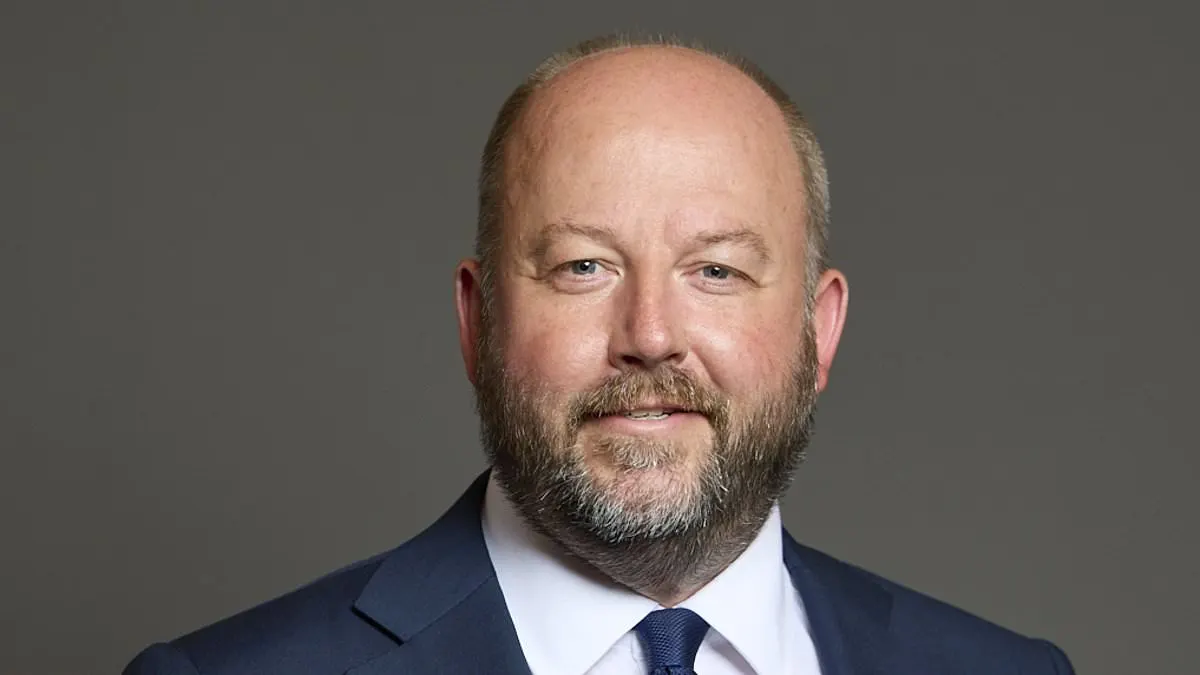
The Conservative Party has demanded an urgent investigation into the increasing number of defendants being ruled 'unfit to plead' on mental health grounds and diverted to psychiatric care instead of standing trial. Shadow Justice Secretary Nick Timothy expressed concern that this trend raises "serious questions of public safety" and may deny victims justice, whilst questioning whether some defendants are genuinely unfit or exploiting the system.
The number of criminal defendants ordered into hospital detention under the Mental Health Act has nearly doubled from 37 in 2019 to 72 in 2025, with 58 cases in 2023. The Conservatives cited the case of Ayodele Jamgbadi, 30, who was deemed unfit to stand trial for the death of railway worker Jorge Ortega after punching him in December 2024. Despite being ruled unfit for trial, a jury in a 'trial of facts' unanimously agreed Jamgbadi had struck Ortega, who suffered a catastrophic brain injury and died two days after the attack.
- Number of defendants diverted to psychiatric care nearly doubled in six years
- Conservatives concerned about public safety and justice for victims
- Case highlights fears some may exploit mental health defence system
New here? Start with this
The courts have a legal process for people accused of crimes who are deemed too mentally unwell to properly defend themselves: they can be ruled unfit to stand trial and sent to psychiatric care instead. This system exists to protect vulnerable people from prosecution when they cannot participate meaningfully in their own defence. Rather than face a criminal trial, the person receives medical treatment in hospital.
The number of defendants diverted into psychiatric care has roughly doubled in recent years, from 37 cases in 2019 to 72 in 2025. This significant rise has prompted questions about whether the system is working appropriately. Some believe genuinely unwell people need this protection, whilst others worry that defendants might be avoiding criminal trial through mental health claims, or that victims lose the chance to see their cases prosecuted fully.
The issue matters because it balances two important considerations: protecting people too unwell to face trial and ensuring justice for crime victims and public safety. When someone is diverted this way, they do not go through a full criminal trial, even though courts can hold separate hearings to establish what happened. This tension has led to calls for greater examination of how the system operates in practice.
Both sides, in good faith
The strongest fair case each way — we don't pick a winner.
The case for
The principle of diverting genuinely unfit defendants to psychiatric care rather than trial is fundamental to a just and humane criminal justice system, as it would be pointless and cruel to put someone through proceedings they cannot understand or properly participate in. The Mental Health Act provides robust judicial gatekeeping for fitness assessments, and the increase in cases likely reflects improved identification of genuine mental illness rather than abuse of the system. Psychiatric detention and treatment can actually protect public safety more effectively than incarceration alone by addressing underlying conditions, aligning with professional consensus that treatment-focused intervention is more rehabilitative for those genuinely unfit to plead.
The case against
The near-doubling of unfit-to-plead orders in recent years warrants urgent investigation into whether the threshold for diversion has been lowered inappropriately or is being exploited by defendants seeking to avoid accountability. Victims of serious crimes deserve their day in court and the closure that public trial provides, yet mental health diversion denies them this; public confidence in justice depends on demonstrable accountability for serious offences. The cited case exemplifies a troubling outcome where someone was deemed unfit for trial yet a jury unanimously found the crucial facts proven anyway, suggesting fitness assessments may not reliably predict capacity and that some defendants could exploit mental health claims to circumvent the trial process.
Business Health Markets Mental Health World
Read the full article at the source →
Originally published by Daily Mail as “Tories demand investigation into the rising number of defendants ‘unfit for trial’ over mental health”.