Tories vow to reverse Labour moves to soften UK’s EU position
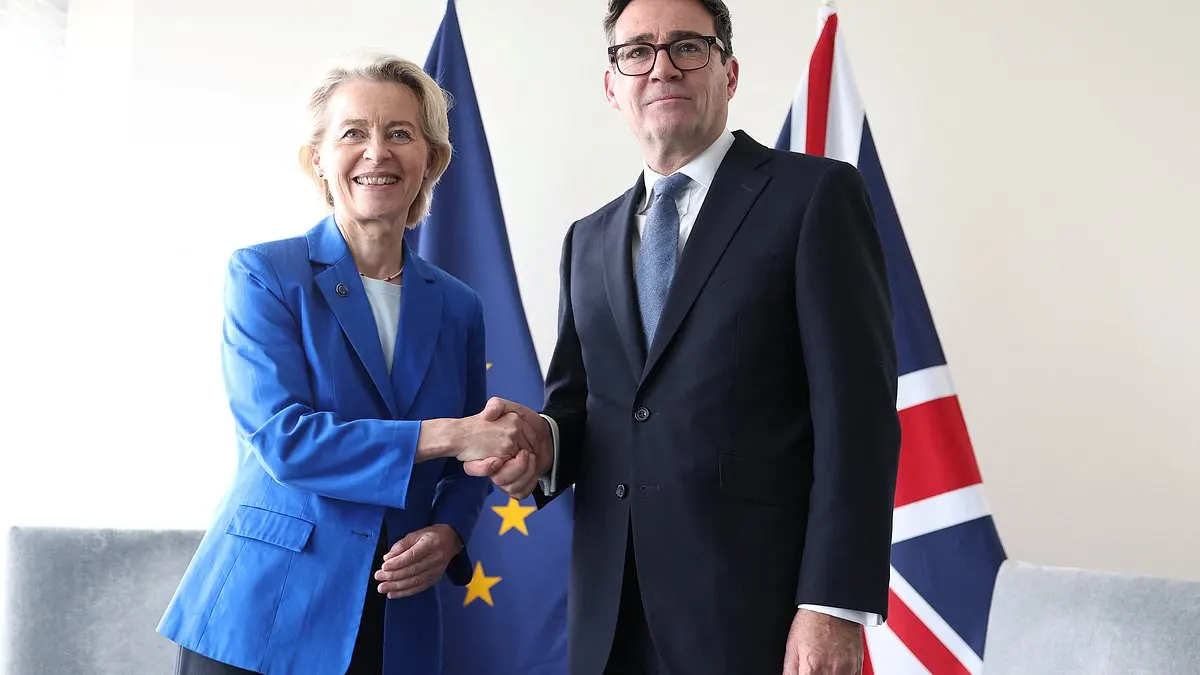
Conservative Party deputy leader Alex Burghart has vowed to reverse any moves by Labour to soften the UK's position on the European Union, dismissing the Government's push for a "reset" with Brussels as "giving everything away". Manchester Mayor Andy Burnham has publicly backed full EU membership, reversing his previous insistence that he would not pursue rejoining the bloc, marking a significant escalation in Labour's reopening of the Brexit debate.
The Labour Government negotiated terms at the May 2025 Lancaster House summit, which Burghart criticised as surrendering key concessions – accepting EU rules, paying for participation, accepting European Court of Justice oversight and granting access to UK fishing waters for 12 years in exchange for minimal gains. Former Scottish First Minister Nicola Sturgeon has seized on Labour's willingness to revisit the Brexit decision to argue that Scottish independence should similarly be reconsidered, contending that if democratic referendums can be reopened after a decade, the 2014 independence vote need not be permanent. Justice Secretary Alex Norris rejected the comparison, insisting Labour remains committed to preserving the union.
- Tories pledge to reverse Labour's EU negotiations if they win the next election
- Andy Burnham backs full EU membership, contradicting his earlier stance
- Sturgeon revives Scottish independence debate by comparing it to Brexit revisionism
New here? Start with this
Britain left the European Union in 2020 following a divisive referendum, profoundly changing the nation's relationship with its closest trading partners. The Labour Government, which came to power in 2024, has sought to rebuild ties with Brussels through closer co-operation, negotiated at the Lancaster House summit in May 2025.
How closely Britain should align with Europe is now a major political division. The Conservative Party opposes Labour's moves, arguing they represent significant concessions including accepting EU rules and oversight, whilst there is disagreement within Labour itself about how far closer ties should extend.
The issue matters beyond just trade and regulation because it touches on Britain's fundamental place in the world. That the Government is willing to reconsider the nation's relationship with Europe is prompting wider constitutional debates, with some politicians arguing that other long-settled arrangements, including Scotland's constitutional status within the UK, should similarly be reconsidered.
Both sides, in good faith
The strongest fair case each way — we don't pick a winner.
The case for
Supporters of closer EU engagement argue that the 2016 referendum was won narrowly under different circumstances, and that as a mature democracy the UK should be free to reconsider that decision when public opinion has shifted. They contend that the Lancaster House terms represent practical economic sense: access to the single market and security cooperation provide tangible benefits for businesses, workers, and national security that justify accepting some alignment with EU standards.
The case against
Opponents argue that endlessly revisiting the Brexit decision undermines democratic legitimacy and the rule of law, with the 2016 referendum giving a clear mandate that Labour is attempting to overturn through incremental moves rather than honest democratic means. They contend that accepting EU rules, ECJ oversight, and fishing access whilst maintaining nominal independence represents the worst of both worlds, losing sovereignty benefits without honestly committing to membership, and argue the UK should focus on making Brexit work through independent trade agreements.
Art Culture Europe Government Politics World
Read the full article at the source →
Originally published by Daily Mail as “Tories ‘will reverse any moves by Andy Burnham to unwind Brexit’ – as Sturgeon boasts Labour has opened door to another Scots IndyRef”.