Tourism expansion v turtle nests: the dispute dividing communities in one Tobago resort
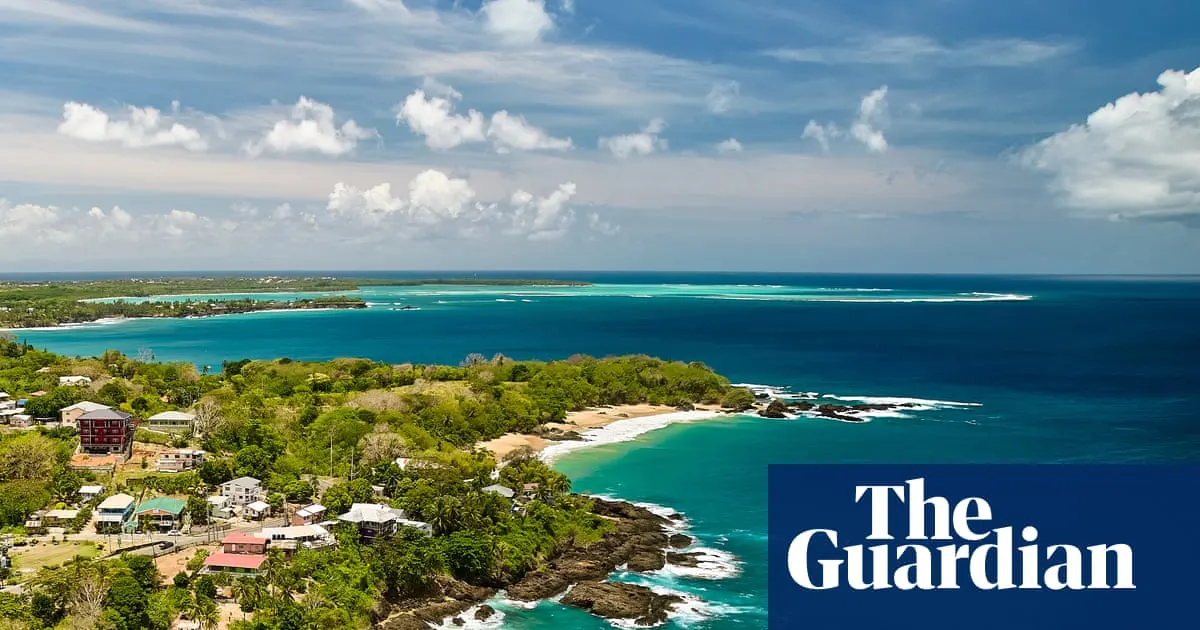
A proposed 200-room resort at Rocky Point in south-west Tobago has divided the community between supporters of large-scale tourism investment and people calling for smaller, community-led development. The dispute matters because the site’s beach, wildlife and heritage could be affected as Tobago seeks to expand its tourism offer.
The locally owned Superior Hotels has a 99-year lease for a planned $500m development across 12 hectares, including privately owned villas. Conservationists and residents have raised concerns about concrete construction, archaeological features and the project’s environmental impact; an environmental biologist says more than 100 written objections were submitted before the Environmental Management Authority granted the project clearance after minor design changes.
- A 200-room resort is planned for Rocky Point.
- The project has a 99-year lease and a $500m price tag.
- More than 100 objections raised environmental and heritage concerns.
New here? Start with this
Tobago, a Caribbean island looking to grow its tourism industry, is facing disagreement over how large resort developments should be. A planned 200-room hotel at Rocky Point in the south-west of the island has split the community between those who see tourism investment as vital for the economy and those who prefer smaller, locally managed tourism businesses. The site contains a beach, wildlife and archaeological features that could be affected by the project.
Superior Hotels, a locally owned company, holds a 99-year lease to develop the property and has plans for a $500 million project covering 12 hectares, which would include private villas as well as the main resort. Conservationists and local residents have raised concerns about the environmental impact of large-scale construction and the potential effect on archaeological features.
Over 100 written objections to the project were submitted. The Environmental Management Authority approved the development after the company made minor design changes to its original plans.
Both sides, in good faith
The strongest fair case each way — we don't pick a winner.
The case for
Resort supporters would argue that Tobago's economy requires substantial foreign investment and employment opportunities, and that a locally owned $500m development represents significant economic benefits to the community. They contend the Environmental Management Authority's approval, following environmental review and design modifications, demonstrates that ecological impacts can be properly managed through regulatory oversight and that concerns from objectors can be adequately addressed within the planning process.
The case against
Conservation advocates contend that the site's ecological and archaeological significance warrants protection through smaller-scale, community-led development that is more sustainable and equitable. They argue that over 100 written objections and documented risks to turtle nesting sites indicate genuine environmental harm that outweighs economic gains, and that permanent environmental damage represents an irreversible loss that cannot be justified by temporary economic benefits concentrated amongst few stakeholders.
Business Culture Environment Science Software Technology Travel