Tourist washing: Can you travel to countries at war without supporting them?
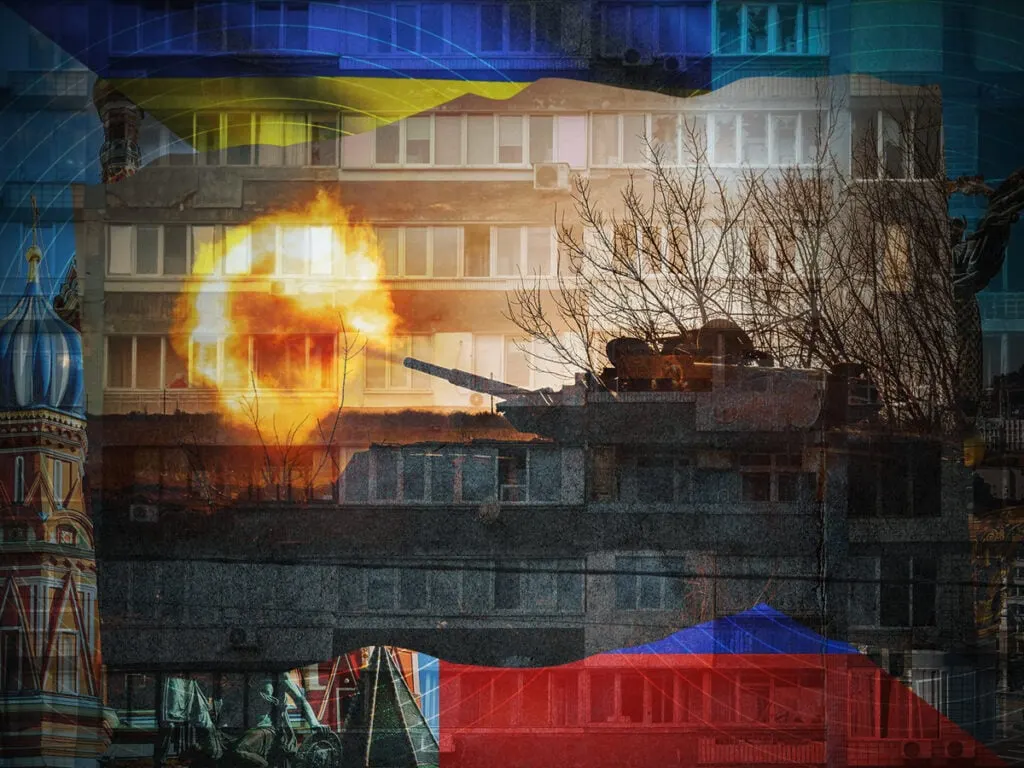
The article asks whether visiting countries involved in war amounts to supporting them, and argues that a trip can carry financial and symbolic meaning even if a traveller claims to be neutral. It says the answer depends on the conflict, the destination and what visitors do, while questioning claims that ordinary travel content “shines a light” on war.
The article cites the International Committee of the Red Cross’s figures of 60 countries involved in active armed conflicts, around 130 conflicts worldwide and 15 to 20 high-intensity wars. It contrasts visiting Ukraine, where spending can support its economy and keep attention on the invasion, with visiting Russia, which the writer sees as difficult to separate from endorsement of the aggressor’s policies. The supplied article ends mid-sentence while discussing British travellers posting from Russia or Belarus.
In short
- Travel to a country at war can have financial and symbolic effects.
- The article distinguishes visits to Ukraine from visits to Russia.
- It questions whether travel videos genuinely raise awareness.
Steelman: both sides, in good faith
The strongest fair case each way — we don't pick a winner.
The case for
Travel need not amount to political endorsement: visitors may go for family, work, reporting or cultural reasons, and their spending can support local people and businesses rather than a government or military. In a country facing invasion, tourism may also sustain livelihoods and keep international attention on residents’ experiences, provided visitors are candid about the context and avoid presenting the trip as ordinary leisure.
The case against
Travel can bring money, visibility and a sense of normality to a state involved in war, even when an individual traveller intends no endorsement. Public posts that frame a visit as carefree or use it to claim neutrality may obscure the conflict and lend the destination symbolic legitimacy, so travellers should consider where their money goes and how their presence is likely to be understood.