Traders brought Central American cacao to Georgia 1,000 years ago
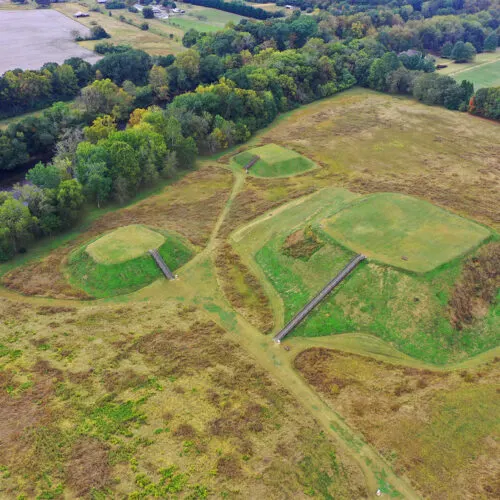
Archaeologists have found evidence that people at Etowah, an Indigenous Mississippian city in present-day northern Georgia, consumed cacao imported from Central America around 1,000 years ago. The discovery suggests that Etowah had long-distance trade links reaching at least 3,000 kilometres, connecting the southeastern United States with the Maya world much earlier than previously confirmed.
Ancient DNA from cacao was identified inside pottery fragments discarded after an 11th-century communal feast, during construction of Etowah’s first major platform mound. Earlier chemical tests had detected compounds also found in local yaupon holly tea, but DNA analysis distinguished cacao; Etowah later became a major ceremonial and trading centre with large earthen mounds, plazas and markets.
- Cacao DNA found in 1,000-year-old Georgia pottery.
- The find indicates trade links with Central America.
- Etowah’s networks existed from its early development.
New here? Start with this
Etowah was an Indigenous city in what is now northern Georgia, built by Mississippian communities. Its people raised large earthen mounds and gathered in plazas for ceremonies and communal events.
Cacao, the plant used to make chocolate, was first cultivated in Central America. Finding its DNA in pottery from an 11th-century feast suggests that cacao reached Etowah through trade over a distance of at least 3,000 kilometres, linking communities in the south-eastern United States with the Maya world.
The evidence adds to what is known about contact between distant societies in the Americas before European arrival. It also shows why identifying the remains of ancient foods can help archaeologists trace trade and everyday life.