Trans activists harass, hurl slurs at Sophie Cunningham supporters before Fever game in Minnesota
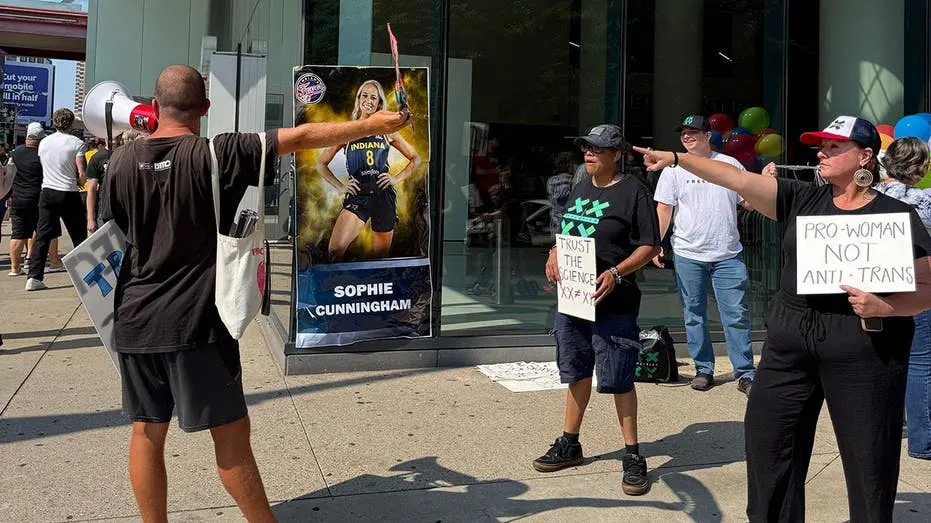
A protest by women's sports advocates outside Target Center in Minneapolis ahead of the Indiana Fever's WNBA game against the Minnesota Lynx turned confrontational, with trans rights counter-protesters reportedly directing slurs and harassment at supporters of Fever guard Sophie Cunningham. The incident is the latest flashpoint in an ongoing controversy surrounding Cunningham's public stance on protecting women's sports from transgender inclusion, which has followed her and her supporters to multiple WNBA venues this season, including a similar rally in Portland.
Women's sports advocates gathered peacefully on Sunday wearing "XX-XY Athletics" shirts and holding signs reading slogans such as "Pro-Women, Not Anti-Trans" and "Trust the Science". According to the report, pro-trans activists responded by waving fans bearing slurs and confronting the group, while the Minnesota Lynx's head coach had reportedly spoken in defence of transgender athletes ahead of the match, further inflaming tensions around what has been dubbed "Sophie Night" in Minnesota.
In short
- Rival protesters clashed outside a Fever-Lynx WNBA game in Minnesota.
- Trans activists allegedly hurled slurs at Sophie Cunningham's supporters.
- Row over trans inclusion in women's sports continues to trail the WNBA.
Steelman: both sides, in good faith
The strongest fair case each way — we don't pick a winner.
The case for
Women's sports categories were established to ensure fair competition and equal opportunity specifically for female athletes. Proponents argue that biological differences related to sex—including bone density, muscle mass, and cardiovascular capacity—confer measurable performance advantages that hormone therapy does not fully eliminate, and that preserving single-sex sport categories protects the integrity of women's competition without expressing animus toward transgender individuals. They maintain that inclusion and sex-based sporting structures need not be mutually exclusive, with thoughtfully designed eligibility frameworks potentially accommodating different athlete populations equitably.
The case against
Transgender women are women and deserve equal participation in all societal institutions, including sport. Advocates argue that hormone therapy substantially reduces performance differentials over time, that empirical evidence of trans athletes systematically dominating women's competitions remains minimal, and that exclusionary policies inflict genuine psychological and social harm on a vulnerable minority seeking community and belonging. They contend that focused eligibility criteria—such as testosterone thresholds and minimum duration of hormone therapy—can address legitimate fairness concerns whilst respecting trans dignity and full inclusion.
Explained simply
The WNBA is the top professional women’s basketball league in the United States. The Indiana Fever and Minnesota Lynx are two of its teams, and Sophie Cunningham is a guard for the Fever.
Cunningham has publicly supported keeping some women’s sports categories limited to athletes born female, a position that has drawn criticism from transgender rights advocates. The wider debate concerns how sports organisations should balance inclusion for transgender athletes with rules intended to protect fair competition in women’s events.
Protests and counter-protests have followed the issue to WNBA games this season. It matters because disputes over eligibility affect athletes, teams and fans, while confrontations at games raise questions about how people can express their views safely.