Kelly Day charged with murder after fatal Chicago stabbing of Larry Young
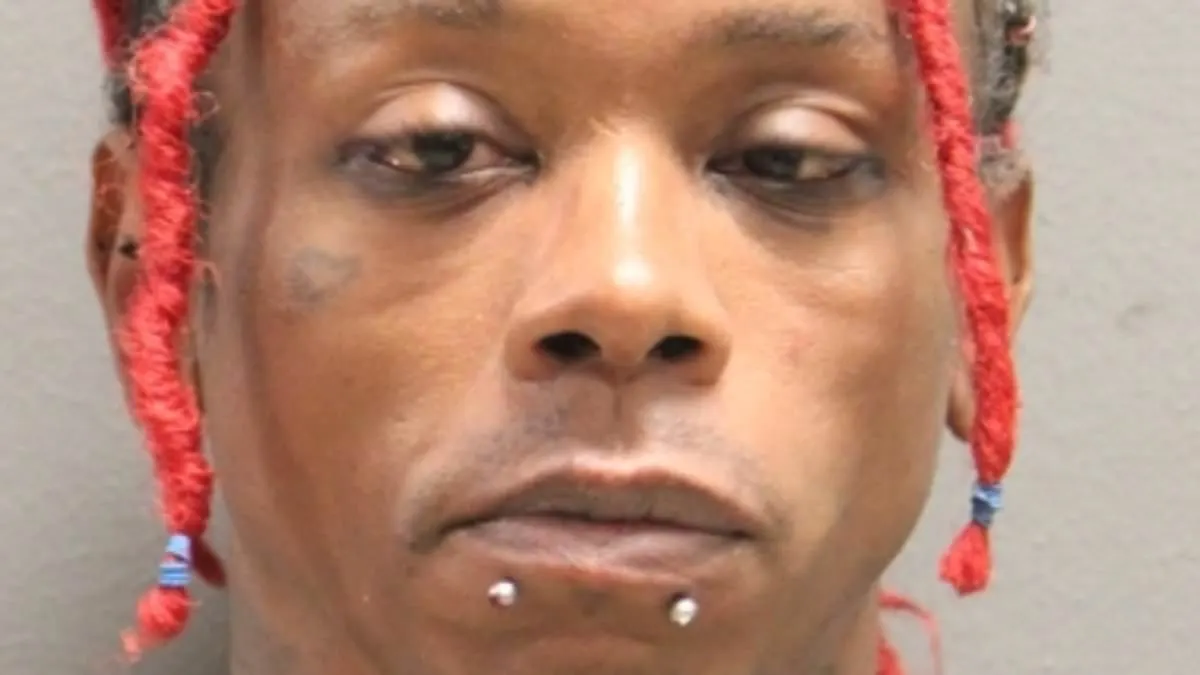
Police say Kelly Day, 32, was charged with first-degree murder after Larry Young, 50, was fatally stabbed in Chicago. Prosecutors allege Young made remarks about Day’s gender identity and pushed her before she followed him and stabbed him; the case raises questions about how the encounter escalated and is now being investigated.
At a court hearing, prosecutors said security footage showed Day stabbing Young 13 times in the head, neck and shoulders, and that a broken knife tip was found in his skull. Day told investigators she acted in self-defence, alleging Young threatened her and her family. She was arrested at hospital while being treated for a finger wound and will remain in custody pending trial.
- Kelly Day faces a first-degree murder charge in Larry Young’s death.
- Prosecutors say Young was stabbed 13 times in Chicago.
- Day told investigators she acted in self-defence.
New here? Start with this
Kelly Day is a 32-year-old Chicago resident charged with first-degree murder in the death of Larry Young, a 50-year-old man who was fatally stabbed. The case centres on the circumstances of their fatal encounter.
According to police, the incident began when Young made remarks about Day's gender identity and pushed her. Day then followed Young and stabbed him multiple times. Day has told investigators she acted in self-defence, alleging that Young threatened her and her family.
There are conflicting accounts of what happened and how the situation escalated. The facts of the case will be established through the legal process.
Both sides, in good faith
The strongest fair case each way — we don't pick a winner.
The case for
The prosecution's own account establishes that Young initiated hostility through derogatory remarks about Day's gender identity and physical assault before she acted. When someone has already demonstrated willingness to be violent, particularly whilst attacking your identity, reasonable fear of escalation is justified. In high-stress confrontations where one feels threatened—and where she believed her family was endangered—using force to stop an aggressor is a legitimate response to imminent harm.
The case against
Self-defence law permits only force reasonably necessary to stop an immediate threat; the apparent severity of injury—13 stab wounds to the head, neck and shoulders—appears far to exceed stopping a push or preventing further contact. Once an aggressor is incapacitated, continued stabbing ceases to be defensive and becomes assault. Day's own minimal injury, a finger wound, contrasts starkly with Young's fatal injuries, suggesting either the threat was less grave than claimed or her response enormously exceeded what safety required.
Read the full article at the source →
Originally published by Daily Mail as “Trans woman, 32, stabbed man 13 times for making fun of her gender identity and killed him, then told wife she had to stand up to bullies, cops say”.