Trump lashes out at fury over Putin diesel deal and says ‘the EU paid Russia $250 billion for energy – Always, America first’
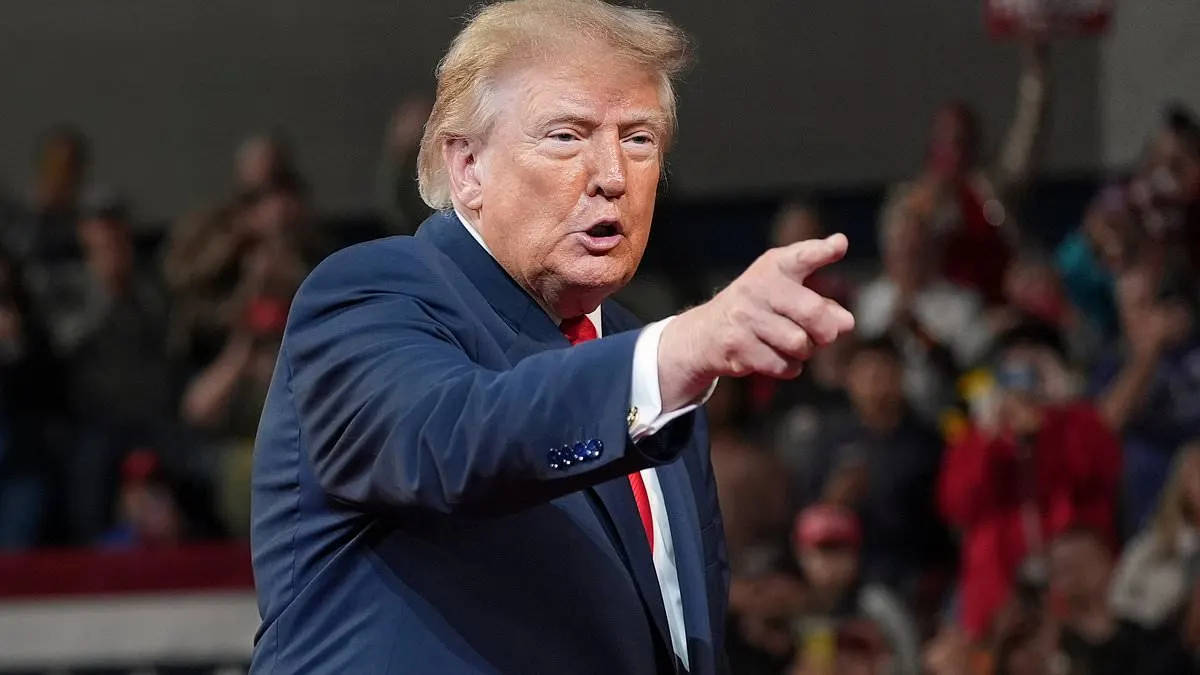
Donald Trump suspended sanctions on Russian diesel to supply the American market following a deal with Vladimir Putin, drawing fierce criticism from Ukraine's President Zelenskyy, who said the move provides Russia financial support that would prolong the war. The deal will release 300,000 tons of diesel immediately, followed by shipments of 500,000 tons in November and one million tonnes thereafter.
Trump defended the controversial agreement by highlighting the European Union's own energy spending, claiming the bloc has paid between €240 billion and €270 billion for Russian fossil fuels since the Ukraine war began in February 2022. The deal includes an "energy ceasefire" where both Russia and Ukraine would refrain from attacking each other's energy infrastructure, though Zelenskyy reportedly rejected Trump's initial requests to halt Ukrainian strikes on Russian oil facilities. Critics including former UK Prime Minister Boris Johnson condemned the move as hypocritical double standards.
- Trump suspends sanctions on Russian diesel after Putin deal.
- Zelenskyy condemns the move as helping prolong the war.
- Trump cites EU's €240-270bn Russian energy spending to justify decision.
New here? Start with this
Russia's invasion of Ukraine in February 2022 prompted Western governments to impose economic sanctions aimed at damaging Russia's wartime economy. Energy exports have been a particular focus, as Russia's oil and gas sales generate substantial government revenues used to finance military operations. The conflict has devastated Ukraine, with hundreds of thousands killed and millions displaced after more than four years of fighting.
The United States has historically been less dependent on Russian energy than Europe, but American leaders have supported sanctions on Russian oil and gas exports as part of broader efforts to weaken Russia's capacity for war. Different countries have at times had different views on how strict sanctions should be, balancing security concerns against economic costs.
Donald Trump took office in January 2025 as someone willing to negotiate directly with both Russia and Ukraine to end the conflict. His administration has signalled openness to using sanctions relief as part of peace negotiations, viewing strategic incentives as potentially helpful in encouraging both sides to agree to a ceasefire and settlement.
Both sides, in good faith
The strongest fair case each way — we don't pick a winner.
The case for
A president must prioritise securing affordable energy for American markets, and the EU's spending of €240–270 billion on Russian energy since 2022 demonstrates that absolute sanctions lack global consensus. The energy ceasefire provision reduces civilian suffering from attacks on energy infrastructure, whilst pragmatic diplomacy with rivals has achieved objectives throughout history. Lower prices benefit American consumers and businesses, and maintaining costly sanctions others circumvent is not a sustainable long-term strategy.
The case against
Suspending sanctions on Russian diesel provides Putin with revenue that directly funds military operations against Ukraine, abandoning an allied nation facing existential threat when it most needs Western commitment. Noting the EU's past mistakes does not justify repeating them or surrendering the leverage sanctions provide; Ukraine's survival depends on maximum pressure on Russia, not verifiable ceasefires. Abandoning principled opposition to invasion and alliance commitments weakens Western responses to aggression and establishes dangerous precedent.