World news and discussion on TalkFuse.
HMS Vengeance returns after record 217-day submerged patrol
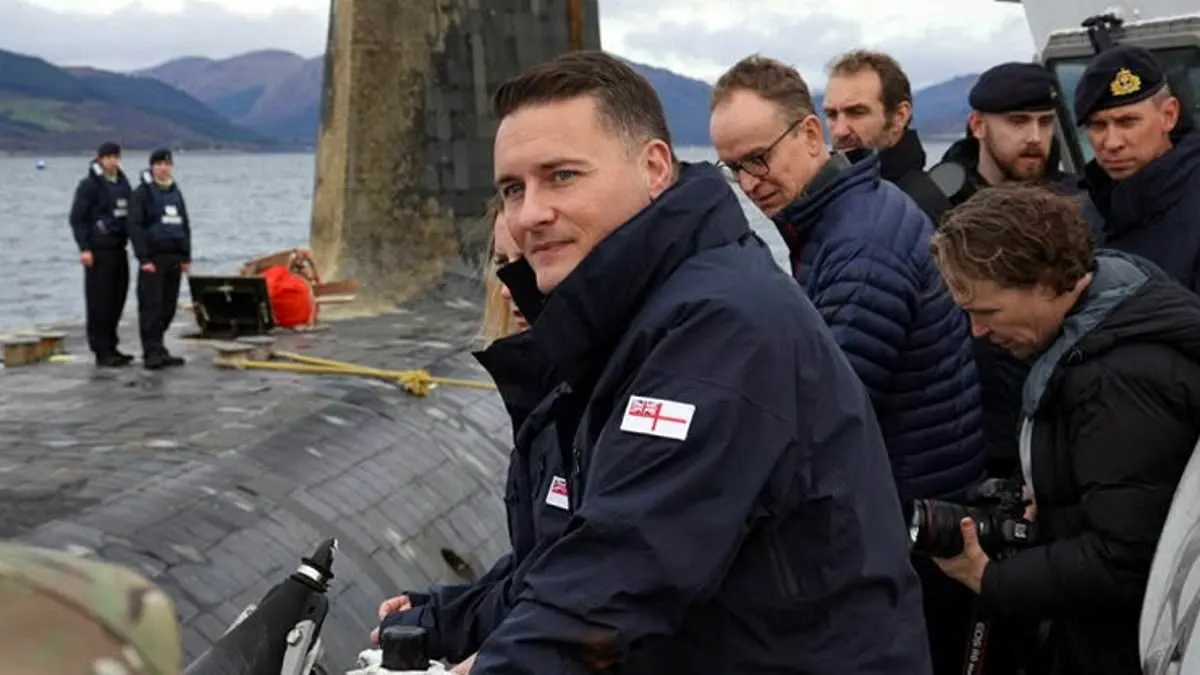
HMS Vengeance returned to the Clyde after a 217-day patrol, described in the article as the longest continuous submerged patrol by a submarine. The homecoming came as Defence Secretary Wes Streeting rejected reported Russian demands that Britain stop protecting Europe with its nuclear deterrent, saying the commitment to Nato allies was not negotiable.
The Vanguard-class submarine has a crew of about 140 and can carry up to 16 Trident missiles. Maintenance pressures have extended patrols from around three months to seven, and Vengeance’s return was delayed when its relief submarine needed spare parts. The article says another Vanguard submarine was already at sea, allowing the crew to come home.
In short
- HMS Vengeance completed a record 217-day submerged patrol.
- Streeting said Britain’s nuclear deterrent was not negotiable.
- Maintenance pressures have lengthened submarine patrols.
Steelman: both sides, in good faith
The strongest fair case each way — we don't pick a winner.
The case for
Supporters of maintaining Britain’s nuclear deterrent argue that a credible, continuously available capability helps deter attacks and reassures Nato allies. They see the extended patrol and the commitment to protect Europe as evidence of resolve, while recognising that the force depends on reliable maintenance and sustainable crew arrangements.
The case against
Critics argue that a nuclear deterrent carries grave humanitarian and escalation risks, and that long submerged patrols impose significant strain on crews and equipment. They may question whether the security benefits justify the financial and operational burden, and favour reducing reliance on nuclear weapons while pursuing other forms of defence and diplomacy.
Read the full article at the source →
Originally published by Daily Mail as “Trident submarine returns home after record-breaking patrol – as Streeting warns Russia Britain’s nukes ‘not up for negotiation’”.