Politics news and discussion on TalkFuse.
Trump administration makes big claims on noncitizen voting but won’t explain the math
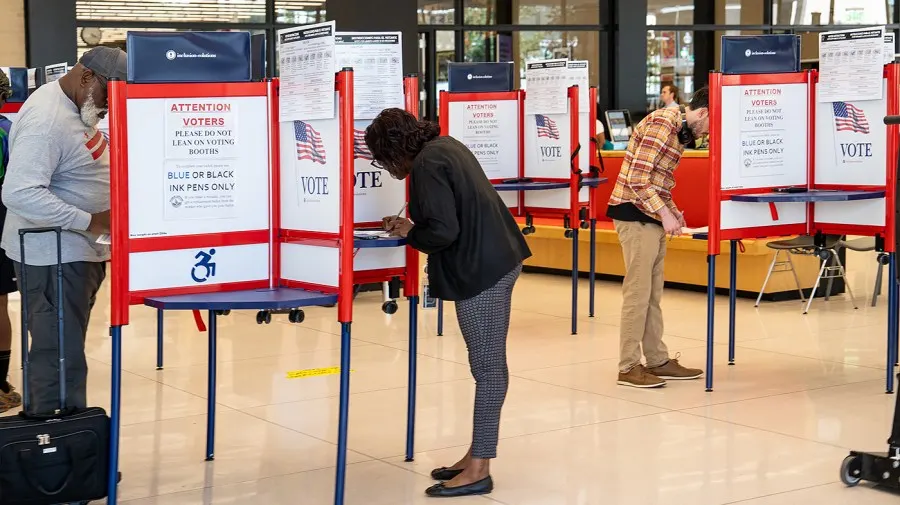
The article examines claims by the Trump administration about noncitizen voting, focusing on the lack of a clear public explanation for how the alleged figures were calculated. It matters because assertions about election integrity can influence public confidence and policy, particularly when the evidence and methodology are not disclosed.
The available material does not provide the administration’s specific numbers, sources or underlying calculations. It indicates that the Department of Homeland Security has made broad claims but has not fully explained the data or assumptions used to support them, limiting independent scrutiny.
In short
- DHS claims on noncitizen voting lack explained methodology.
- Missing calculations limit independent verification.
- Election-integrity claims can affect public trust.
Steelman: both sides, in good faith
The strongest fair case each way — we don't pick a winner.
The case for
Election integrity claims occupy a uniquely foundational place in democratic legitimacy and public trust. Without transparent, independently verifiable methodology and data sources, citizens cannot properly assess whether major voting assertions are rigorous, biased, or unfounded. These claims directly influence both policy decisions and voter confidence; voters deserve access to the calculations and evidence underlying them to form genuinely informed judgments. If the underlying analysis is sound, full disclosure would strengthen rather than undermine the case.
The case against
Government agencies retain appropriate discretion over disclosure of sensitive methodologies, particularly where national security or privacy concerns exist. The absence of fully detailed public methodology does not invalidate conclusions or indicate bad faith; administrative work regularly proceeds with some information properly restricted. Where legitimate operational security or privacy reasons exist, reasonable observers may accept partial disclosure whilst still considering findings credible. Critics should assess whether the available evidence and reasoning appear sound, rather than treating incomplete disclosure as automatic disqualification.
Explained simply
The Trump administration has claimed that a significant number of noncitizens voted in recent elections in the United States. Noncitizens are people who are not US citizens, including undocumented immigrants and temporary visa holders. These claims relate to concerns about election security and the integrity of the voting process.
When authorities make assertions about election irregularities, observers typically seek to understand the evidence and methodology used. In this case, the administration has made broad claims, but the detailed data, calculations and assumptions underpinning these figures have not been publicly disclosed. This limits independent verification of the claims and assessment of their validity.
Statements about election integrity can influence how people view the legitimacy of elections and may lead to policy changes around voting procedures and citizenship verification. Without clear public explanations of how the figures were calculated, it is difficult for voters, elected officials and researchers to evaluate the factual basis of the concerns or to have an informed public discussion about potential responses.