Trump adverts continued airing after judge ordered government to stop them
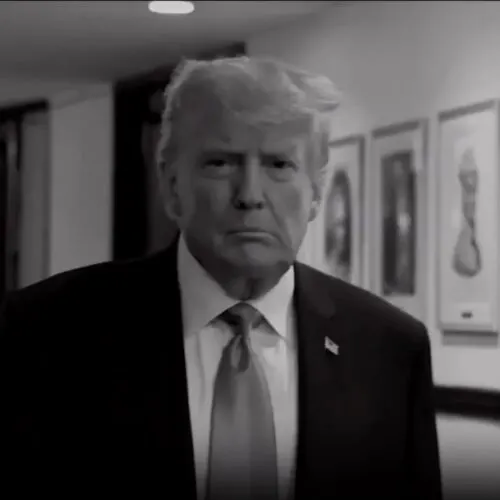
Taxpayer-funded television adverts promoting President Donald Trump continued to air after a judge ordered the government to stop them, despite the administration having told the court the advertising would end. The apparent delay in passing on the order raised questions about compliance with the ruling and the use of public money for political messaging.
The adverts were part of a $20 million purchase order made by US Customs and Border Protection, with the Department of Homeland Security saying placements through 11 October cost $19 million. The plaintiffs’ filing, citing AdImpact data, said the adverts ran nearly 400 times after the order took effect, including 32 times on 12 October. A US attorney apologised, saying agency counsel did not see the government’s email about the order until the following morning; the groups that sued asked for a status conference but said they were not seeking contempt sanctions.
- Trump adverts kept airing after a judge ordered them stopped.
- The ads ran nearly 400 times after the order took effect.
- A US attorney apologised and said the government was complying.
New here? Start with this
US Customs and Border Protection is a federal agency that enforces immigration and border laws. It bought television advertising worth up to $20 million, while the Department of Homeland Security said placements through 11 October had cost $19 million. The adverts promoted President Donald Trump.
The case was brought by groups challenging the government’s use of public funds for the adverts. A judge ordered the government to stop them, and the government told the court the advertising would end. An agency lawyer later said the government’s email about the order was not seen by agency counsel until the next morning.
The dispute raises questions about how court orders are passed on within government agencies and how public money can be used for political messaging. The groups asked the court to review the situation at a status conference, but said they were not seeking contempt sanctions.
Both sides, in good faith
The strongest fair case each way — we don't pick a winner.
The case for
The government’s strongest case is that the continued broadcasts may have resulted from a communication failure rather than a deliberate refusal to obey the court. Television placements can take time to cancel across multiple outlets, and the US attorney apologised after agency counsel missed the email; the plaintiffs also did not seek contempt sanctions.
The case against
The strongest case for the plaintiffs is that a court order should be acted on promptly, especially after the administration had told the court the advertising would end. Nearly 400 reported broadcasts after the order took effect, including 32 on the following day, raise serious questions about compliance and whether public funds were used for political messaging.
Americas Government Politics World
Read the full article at the source →
Originally published by Ars Technica as “Trump commercial railing against his enemies kept airing after court blocked it”.