Trump declines to back Thune for another term as Senate GOP leader
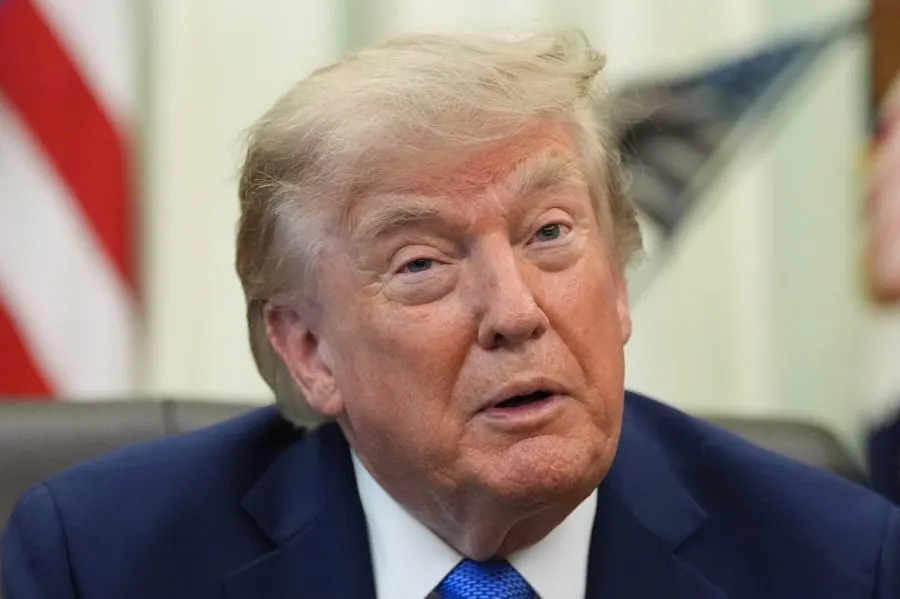
Donald Trump has declined to endorse Senate Republican leader John Thune for another term, signalling a lack of clear backing from the party’s most influential figure. The decision matters because Trump’s support can strongly affect Republican leadership contests and Senate unity.
The article’s accessible text provides no further details beyond its headline, as access to the page was denied. It therefore does not establish Trump’s reasons, whether Thune will seek another term, or who might challenge him.
In short
- Trump declined to endorse John Thune for another leadership term.
- The move could affect Senate Republican leadership politics.
- The available article text contained no further detail.
Steelman: both sides, in good faith
The strongest fair case each way — we don't pick a winner.
The case for
Trump's withholding of endorsement allows Senate leadership to be determined on merit and ability to advance the party's agenda, rather than through automatic re-election of an incumbent. This represents healthy accountability—no leader should be beyond scrutiny—and enables genuine democratic deliberation within the party about who can best serve. Questioning leadership based on performance strengthens rather than weakens the party by ensuring it remains aligned with its current direction.
The case against
Senate leadership should be decided on legislative competence and governing effectiveness, not on personal loyalty to any single figure. Withholding endorsement from the sitting leader risks splintering Republicans through costly primary challenges and undermining the institutional stability required for legislative success. Parties require trust and unity in leadership; questioning an incumbent without clear cause or alternative damages Republican cohesion and political effectiveness.
Explained simply
The Senate is the part of the US Congress where each state has two elected representatives. Republicans are one of the two main US political parties, and their Senate leader helps organise the party’s work and speak for it in the chamber.
John Thune is the Republican leader in the Senate. Donald Trump, a Republican and former US president, remains an influential figure in the party, so his support can matter in internal contests and in efforts to keep Republican senators united.