Trump pledges private funding for adverts after cross-party criticism
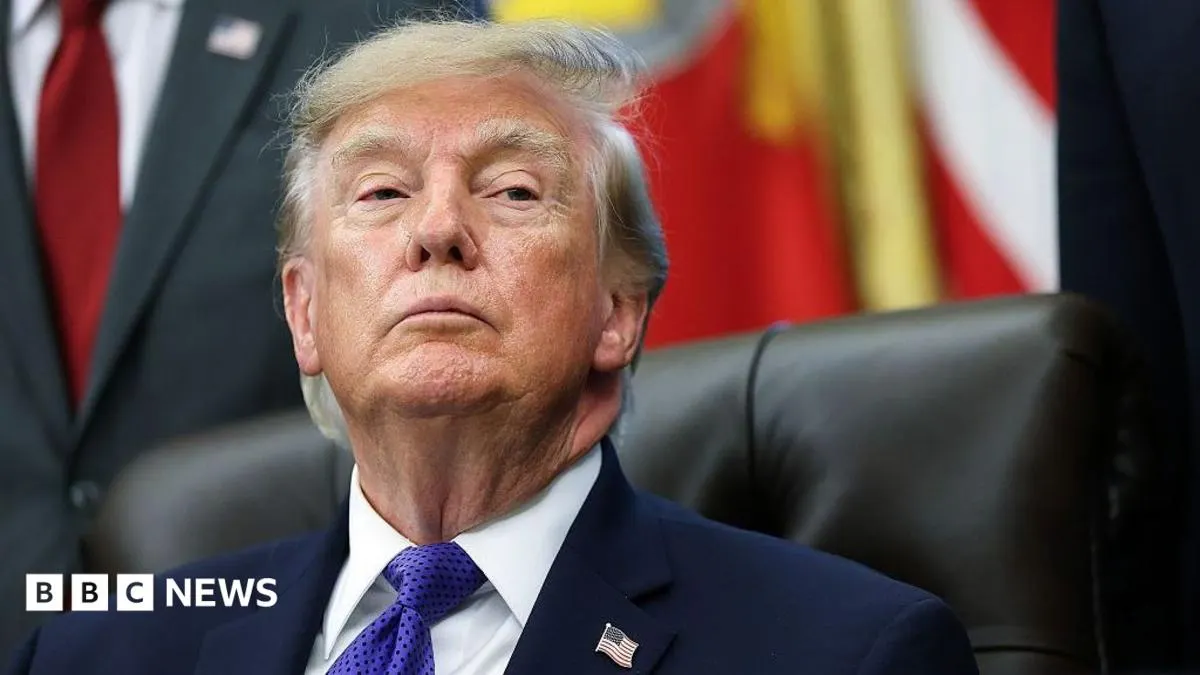
Donald Trump says he will stop using taxpayer money for television ads featuring him and his policies, following criticism from both Democrats and Republicans. The dispute centres on whether the adverts serve a legitimate public purpose or amount to political promotion, as the US approaches November’s midterm elections.
More than a dozen ads have aired in recent weeks, covering topics such as tax cuts, manufacturing and law and order, while also attacking Trump’s perceived opponents. The White House called them educational public service announcements, but legal experts questioned their purpose; Republican Senate Majority Leader John Thune said they should not be paid for with public money. Trump says future ads will be funded personally and through his MAGA Inc political action committee.
- Trump says he will stop taxpayer-funded ads featuring him.
- More than a dozen ads have aired in recent weeks.
- Critics across party lines questioned using public money for promotion.
New here? Start with this
The US government has been paying for television advertisements featuring Donald Trump and his policies. These ads discuss topics such as tax cuts, manufacturing and law and order, whilst also attacking Trump's political opponents. The dispute centres on whether these advertisements serve a legitimate public purpose or whether they constitute political campaigning that should not be funded with taxpayer money.
Both Democrats and Republicans have criticised the use of public funds for these ads. Republican Senate Majority Leader John Thune said the government should not be paying for them. The disagreement raises fundamental questions about the appropriate use of taxpayers' money, particularly given that it comes during the election season ahead of November's midterm elections.
The White House described the ads as educational public service announcements, but legal experts questioned this characterisation. More than a dozen ads have aired in recent weeks using public money. The dispute reflects broader concerns about where the line should be drawn between legitimate government information campaigns and political promotion.
Both sides, in good faith
The strongest fair case each way — we don't pick a winner.
The case for
Government regularly funds public information campaigns about its policies and initiatives as part of its legitimate communications function. These advertisements covered substantive policy matters—tax cuts, manufacturing, law and order—that serve a genuine public interest in understanding government programmes. Informing citizens about government achievements and policies through media is comparable to other public service announcements that governments routinely finance.
The case against
These advertisements blur the crucial line between legitimate policy communication and political campaigning, particularly through their attacks on Trump's perceived opponents and their timing ahead of midterm elections. Legal experts and bipartisan critics, including Republican leaders, questioned whether they serve genuine public education or instead advance political interests using taxpayer funds. When government advertising includes partisan attacks and occurs during election season, it ventures into electioneering, which should be privately funded rather than paid for by all taxpayers regardless of their political views.
Americas Art Culture Government Politics World
Read the full article at the source →
Originally published by BBC World as “Trump says he will stop using taxpayer funds for ads after bipartisan pushback”.