Trump says he’d ‘love’ to have Sen. John Fetterman as a Republican amid growing speculation
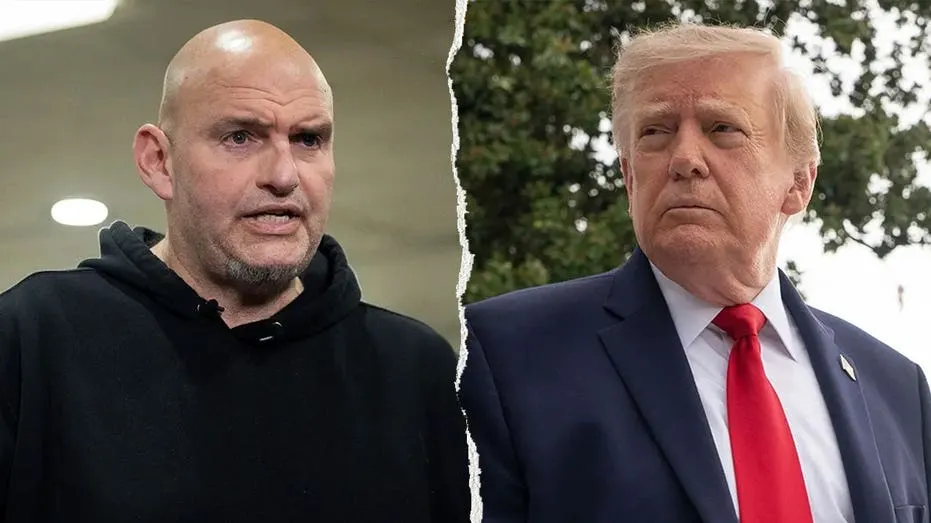
President Donald Trump has publicly said he would welcome Senator John Fetterman, a Pennsylvania Democrat, into the Republican Party, praising him as a "great guy" with "great common sense." Trump suggested that Fetterman might have better electoral prospects as a Republican, implying that the Pennsylvania senator's recent departures from Democratic party lines signal a potential shift in political alignment.
Fetterman, who has served as a senator since 2023, has repeatedly broken ranks with Democrats on issues including Iran policy and immigration, though he continues to vote with his party roughly 81 per cent of the time this congressional session. Recent reports indicate he has used Republican fundraising platforms, appeared at GOP events, and even accidentally referred to himself as a "lifelong Republican" at a recent Texas conference, fuelling ongoing speculation about a possible party switch.
- Trump publicly welcomes Fetterman to the Republican Party
- Pennsylvania senator has recently broken with Democrats on key votes
- Fetterman's recent comments and fundraising moves fuel party-switch speculation
New here? Start with this
John Fetterman is a United States senator from Pennsylvania who was elected as a Democrat in 2022. In recent months, he has broken with his party on several key issues, including Iran policy and immigration.
These departures from his party's positions have sparked speculation that he might switch to the Republican Party. Recent reports of his involvement with Republican fundraising and appearances at GOP events have intensified these rumours.
A party switch by a sitting senator could change the composition of Congress. Pennsylvania is an important competitive state in national elections, so any political shift by the senator could have broader significance.
Both sides, in good faith
The strongest fair case each way — we don't pick a winner.
The case for
Fetterman has demonstrated substantive ideological differences from mainstream Democratic positions, particularly on Iran policy and immigration, suggesting his actual political views may have genuinely shifted. If a senator's core beliefs no longer align with his party, switching allows for honest representation of both his principles and the voters who elected him, whilst giving Republicans access to a moderate voice that could improve legislative outcomes.
The case against
Fetterman still votes with Democrats 81 per cent of the time, indicating fundamental party alignment, and a mid-term switch would betray the voters who elected him as a Democrat and undermine democratic accountability. Party switching motivated by personal advantage—such as improving electoral prospects or gaining Trump's endorsement—represents cynical careerism rather than principled disagreement, and democratic governance depends on politicians honouring their commitments to the electorate.