Trump says Lindsay Clancy case is a ‘state situation’ following attorney’s pardon plea
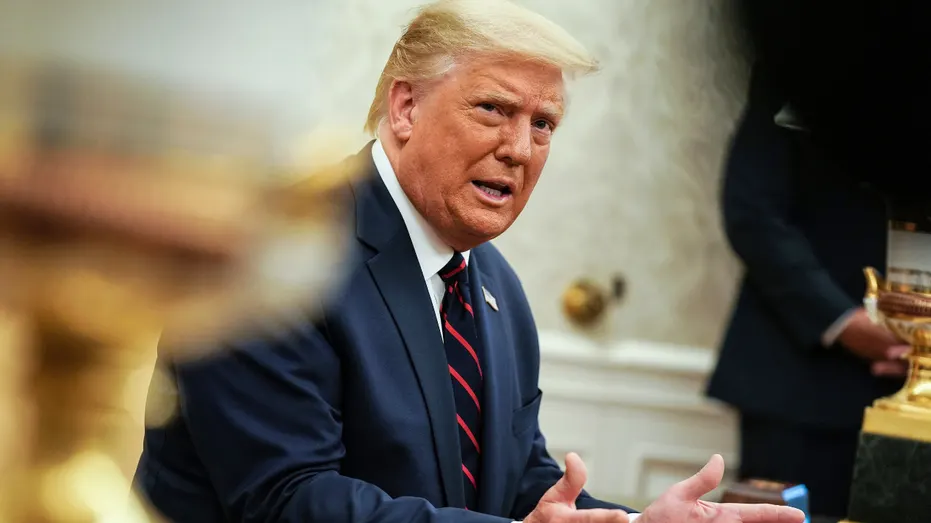
US President Donald Trump has indicated he will not intervene in the case of Lindsay Clancy, the Massachusetts mother charged with murdering her three young children, calling it a "state situation" rather than a federal matter he could pardon. His comments came in response to a public appeal from Clancy's attorney, Kevin Reddington, who had asked Trump to grant his client a pardon. The remarks effectively rule out federal intervention, leaving the case to be resolved through Massachusetts's own legal system.
Trump described the case as "very sad", saying "there's no winner" given that three children had died, but stopped short of criticising the defence's efforts, praising Reddington as "a very good attorney" and expressing hope that the matter could be "worked out" locally. Clancy, a 36-year-old former nurse, faces three counts of first-degree murder over the deaths of her children, Cora, 5, Dawson, 3, and Callan, 8 months, amid claims she was suffering postpartum psychosis at the time. She attempted suicide after the killings and was left paralysed as a result of her injuries; her case is heading towards a retrial after a previous mistrial.
In short
- Trump declines to pardon Lindsay Clancy, calls it a state matter
- Attorney Kevin Reddington had publicly requested a pardon for her
- Clancy faces retrial for murdering her three children
Steelman: both sides, in good faith
The strongest fair case each way — we don't pick a winner.
The case for
Trump's supporters, and indeed many who follow strict constitutional principle, would argue this is simply correct constitutional restraint: the US federal pardon power extends only to federal offences, and murder charges under Massachusetts law are a matter for the state's courts, governor and eventual clemency process, not the White House. On this view, respecting the separation between federal and state jurisdiction is precisely what a president should do, and declining to weigh in on an active state prosecution — however sympathetic the circumstances — reflects appropriate humility about the limits of federal power.
The case against
Critics, including those moved by the case's tragic circumstances, might argue that Trump's framing, while legally accurate, sidesteps an opportunity to use his platform to highlight broader issues around postpartum psychosis, maternal mental health and how the justice system treats such cases, rather than simply deferring to Massachusetts. They may feel that public figures asked to comment on cases like this bear some responsibility to engage substantively with the underlying mental-health and sentencing questions rather than offering a technically correct but ultimately noncommittal response, especially given his own choice to comment publicly at all rather than declining to address it.
Explained simply
Donald Trump is president of the United States, while criminal cases are usually handled by state courts or federal courts, depending on which laws are involved. A presidential pardon can affect federal offences, but it cannot erase a conviction under state law.
Lindsay Clancy is charged in Massachusetts with killing her three children. Her defence has raised claims about her mental health after childbirth, and the case is due to be tried again after an earlier trial ended without a verdict. The outcome matters to the family and to how the state’s courts assess the charges and evidence.