Trump signs order to remove endangered species protection for grey wolves
Developed over time first seen 2 months ago
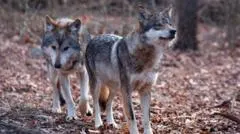
Donald Trump has signed an executive order stripping federal endangered species protections from grey wolves and the Mexican wolf subspecies, a move that could eventually allow ranchers to kill the animals to protect livestock. The order describes ranchers as playing a "vital role" in the food supply chain and American cultural heritage, but conservation groups warn it risks undoing decades of recovery work for populations once driven to near-extinction by a government extermination campaign in the late 19th century.
The order does not immediately legalise shooting wolves; instead it gives Interior Secretary Doug Burgum 90 days to decide whether populations have recovered enough to be delisted, a step expected to face legal challenges after a similar 2022 delisting attempt became bogged down in litigation. Mexican wolf numbers have grown from four in 1998 to 319 in 2025, while roughly 18,000 grey wolves remain across the US, though habitat loss keeps them classed as endangered. The administration linked the move to record-high beef prices and a 75-year low in US livestock herds, but conservationists, including the Wolf Conservation Center and Western Watersheds Project, argue wolf attacks on livestock are rare, ranchers are already compensated for losses, and the policy mainly serves as a distraction from other pressures on the industry.
- Sources
- 2
- Outlets
- 2
- Left · Centre · Right
- 0 · 1 · 1
In short
- Trump orders review of endangered status for grey and Mexican wolves
- Move could let ranchers kill wolves preying on livestock
- Conservationists warn it threatens decades of recovery progress
How this story developed
- 2 months ago Donald Trump has signed an executive order stripping federal endangered species protection from grey wolves and the Mexican wolf subspecies, a move that could eventually let ranchers kill the animals to protect livestock.
- 2 months ago Donald Trump has signed an executive order stripping federal endangered species protections from grey wolves and the Mexican wolf subspecies, a move that could eventually allow ranchers to kill the animals to protect livestock.
- 2 months ago Donald Trump has signed an executive order to strip federal endangered species protection from grey wolves and the Mexican wolf subspecies, a move that could eventually allow ranchers to kill the animals to protect livestock.
Where outlets differ
Centre outlets 1
Only here: remove, endangered, species, protection, grey
Right-leaning outlets 1
Only here: allowing, ranchers, kill, protect, herds
Every side used: trump, signs, order, wolves
Headline columns compared word for word; nothing in them is AI-written.
Steelman: both sides, in good faith
The strongest fair case each way — we don't pick a winner.
The case for
Supporters argue that the Endangered Species Act was always meant to be a path to recovery, not permanent federal control, and that delisting is the appropriate reward for genuine conservation success such as the Mexican wolf's rise from four animals to 319. They contend that ranchers, already squeezed by livestock herds at historic lows, deserve greater local flexibility to protect their animals and livelihoods rather than relying on slow, bureaucratic compensation schemes. From this view, returning management to states and communities that live alongside wolves reflects both scientific recovery data and respect for rural ways of life and food production.
The case against
Opponents argue that with only around 18,000 grey wolves left in the wild and continuing habitat loss, the species remains genuinely fragile, and memories of the near-total extermination campaign of the late 19th century counsel caution rather than haste. They point out that ranchers can already claim full compensation for wolf-related losses, arguing that the economic case for delisting is overstated while the ecological risk of reversing decades of careful recovery work is real and difficult to undo. For conservationists, protections exist precisely to prevent political or economic pressures from prematurely curtailing a recovery that is still incomplete.
Explained simply
Ranchers and conservationists have been at odds for decades over grey wolves in the United States, ever since a government-backed campaign wiped most of them out in the late 1800s. Since being placed under federal protection, populations have slowly rebuilt, with a Mexican subspecies growing from just four animals in 1998 to over 300 today. That protected status has generally stopped ranchers and others from killing wolves, even when they prey on livestock.
The debate centres on whether that recovery is strong enough to justify lifting protections, and who bears the cost either way. Ranchers argue wolves threaten their livelihoods at a time when cattle herds are already shrinking, while conservation groups counter that compensation schemes already cover livestock losses and that removing protections could undo years of recovery work. Similar attempts to delist wolves in the past have ended up tied up in lengthy court battles.
This latest move puts that long-running dispute back in the hands of the federal government, with a formal decision on delisting due within three months. It does not immediately change what happens to wolves on the ground, but it sets in motion a process that both sides expect to be contested.
Coverage · 2 sources
Bias meters
From 2 rated sources.
Americas Environment Government Politics Science World