Trump signs pardons for Alaska diesel mechanics onstage during rally touting major energy deals
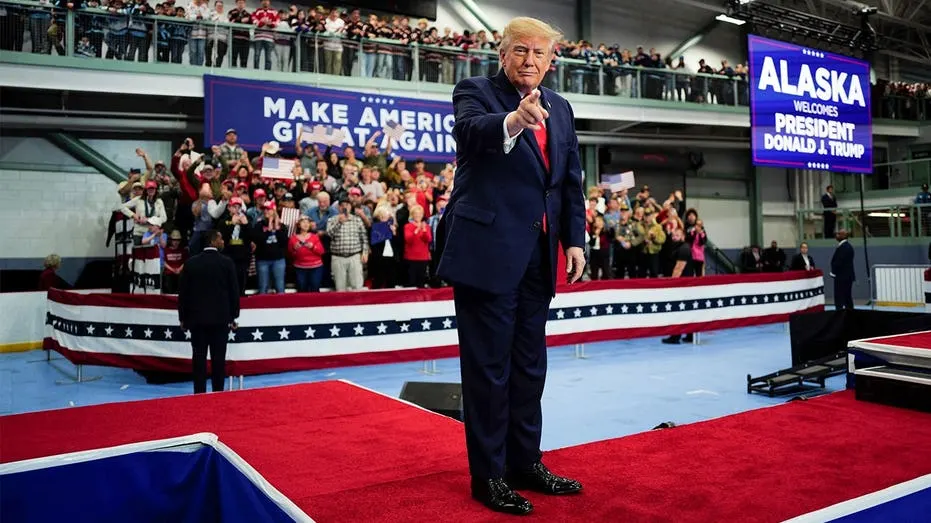
Donald Trump pardoned Alaska diesel mechanics Zachary Czubak and Patrick Fleming during a rally in Wasilla, signing their clemency documents onstage. He said their prosecutions were unfair and linked the announcement to his support for work he argued kept trucks running in Alaska’s harsh conditions.
The men, co-owners of an Anchorage repair shop, pleaded guilty in 2022 to conspiring to violate the Clean Air Act. Prosecutors said they removed emissions equipment and tampered with monitoring devices on at least 37 diesel vehicles from 2019 to 2020, earning about $100,000; Trump also referred to an earlier pardon for a third mechanic. At the same rally, he said an 800-mile natural gas pipeline had received all required federal permits, though the article says the White House was asked to clarify the project’s permitting status.
- Trump pardoned two Alaska diesel mechanics at a rally.
- Prosecutors said the shop altered emissions systems on 37 vehicles.
- Trump said an 800-mile gas pipeline had all federal permits.
New here? Start with this
Diesel engines produce pollution, so US law requires certain vehicles to have equipment that limits emissions and monitors them. The Clean Air Act makes it illegal to tamper with those controls.
Zachary Czubak and Patrick Fleming co-owned a vehicle repair shop in Anchorage, Alaska. They pleaded guilty in 2022 to conspiring to break the law; prosecutors said they altered emissions systems on at least 37 diesel vehicles.
A presidential pardon can forgive a federal offence and remove some of its legal consequences. The case arose as Trump was promoting energy projects in Alaska, where oil and gas development and the costs of operating in harsh conditions are recurring issues.
Both sides, in good faith
The strongest fair case each way — we don't pick a winner.
The case for
Supporters could argue that the mechanics provided a practical service in a remote state where reliable vehicles matter, and that presidential clemency is appropriate if their prosecution or sentence was unduly harsh. They may also see the pardon as a way to recognise local livelihoods and give the men a chance to move on after pleading guilty.
The case against
Critics could argue that removing emissions controls and tampering with monitors on dozens of vehicles undermines clean-air protections and imposes pollution costs on the public. They may view a public pardon for people who pleaded guilty as weakening accountability and suggest that clemency should rest on a clear case of injustice, rather than support for the kind of work involved.