Politics news and discussion on TalkFuse.
Trump Will Miss Most of the ASEAN Summit
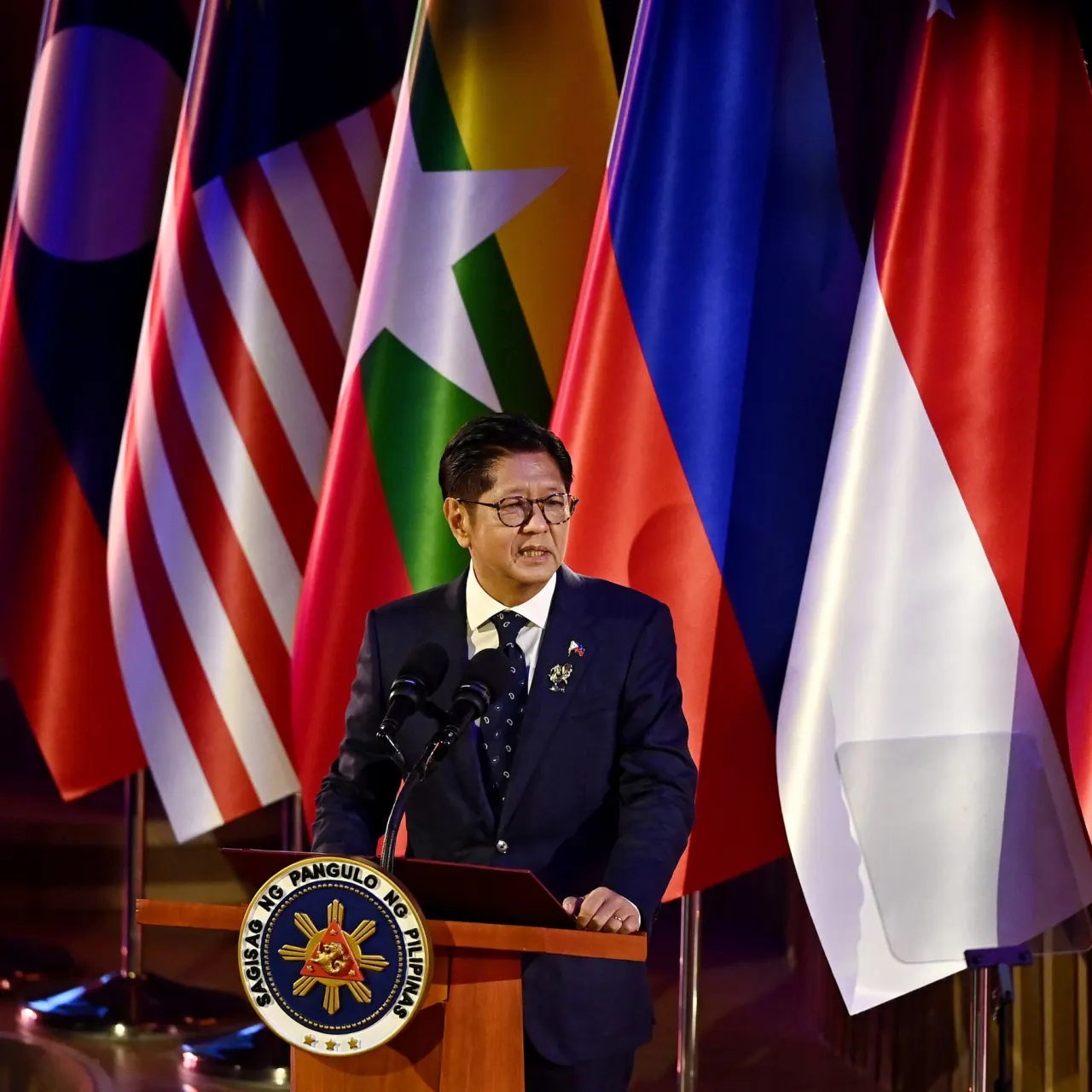
President Trump is expected to arrive at the Manila ASEAN summit on Tuesday, as it is wrapping up, and is not expected to make major policy or diplomatic moves. His limited presence, alongside tariffs and other mixed signals, is reinforcing doubts among Southeast Asian countries about the reliability of the United States and encouraging them to balance ties with Washington and Beijing.
The Philippines illustrates that shift: President Ferdinand Marcos Jr. had moved closer to the United States, but reduced US patrols and unresolved maritime tensions have accompanied a more conciliatory approach to China. ASEAN and China failed on Sunday to agree on a South China Sea code of conduct, while higher energy prices linked to the Iran war have strained countries that rely on Middle Eastern oil and gas. The 11-member bloc represents nearly 700 million people and makes decisions by consensus.
In short
- Trump arrives as the Manila summit is ending.
- ASEAN countries are hedging between the US and China.
- Energy price rises are adding pressure across the region.
Steelman: both sides, in good faith
The strongest fair case each way — we don't pick a winner.
The case for
A late, limited appearance at the summit may reflect competing demands on the US president’s time rather than a retreat from Southeast Asia. Washington can argue that its security partnerships, trade ties and regional engagement extend beyond one visit, while ASEAN governments benefit from keeping strong US links as a counterweight and source of cooperation.
The case against
Arriving as the summit is ending, amid tariffs and mixed signals, can reasonably be seen as evidence that Washington is not giving the region sustained attention. Southeast Asian governments have reason to hedge: unresolved maritime tensions and the lack of progress on a South China Sea code leave them exposed, and maintaining workable ties with China may protect their economic and diplomatic interests.
Explained simply
ASEAN, the Association of Southeast Asian Nations, is a group of 11 countries with nearly 700 million people. Its members work together on regional issues and make decisions by consensus, so reaching a common position can take time.
The United States and China both seek influence in the region, which is important for trade and shipping. Several ASEAN countries have maritime disputes with China in the South China Sea, and efforts by ASEAN and China to agree rules for managing tensions have so far been unresolved.
The Philippines has strengthened ties with the US under President Ferdinand Marcos Jr., while also pursuing a more conciliatory approach to China. Many countries in the region rely on imported energy, including oil and gas from the Middle East, so disruptions there can add to economic pressures.
Geopolitics Government Politics World