World news and discussion on TalkFuse.
Trump’s stillborn diesel deal: Why Russian oil tankers are not heading to the US
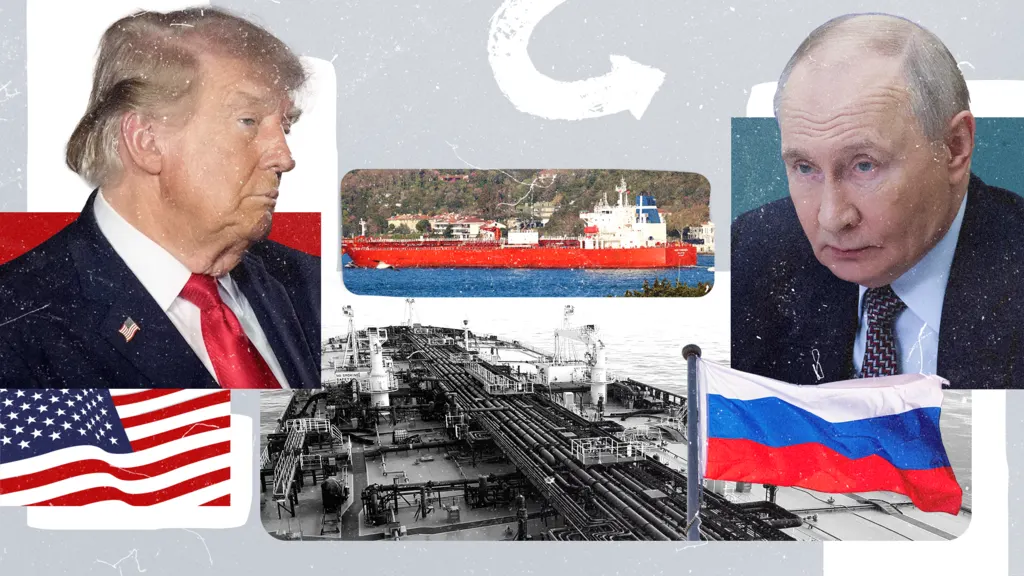
Three Russian-linked tankers announced as part of Donald Trump’s diesel deal with Vladimir Putin appear unlikely to deliver fuel to the United States, casting doubt on the deal’s practical effect. The agreement was presented as a way to ease high fuel costs before the US midterm elections, but Republicans suffered a major defeat, and the shipments’ changing destinations suggest the plan is faltering.
The Maltese-flagged Agioi Fanendes, carrying 40,000 metric tons of diesel, is still at sea with its destination listed as awaiting orders; it had been expected in New York over the weekend of 7–8 November. The sanctioned Talisman turned from its US-bound route towards the Mediterranean, while the Leruo is now listing Brazil as its destination. Trump’s administration had authorised US firms to import Russian diesel despite existing sanctions, and Moscow lifted its diesel export ban, but maritime analysts say the fuel is likely to be sold elsewhere.
In short
- Three tankers are unlikely to bring Russian diesel to the US.
- Their routes and destinations have shifted.
- Analysts say the deal is effectively failing.
Steelman: both sides, in good faith
The strongest fair case each way — we don't pick a winner.
The case for
Supporters could argue that authorising limited Russian diesel imports was a pragmatic way to increase supply and put downward pressure on fuel costs, especially with shipments already announced and Moscow lifting its export ban. Even if these tankers are redirected, the arrangement might still create options for future deliveries or encourage other suppliers to compete.
The case against
Critics could argue that the tankers’ changing destinations show the deal has little practical effect for American consumers, while offering sanctions relief to Russian-linked trade without securing fuel deliveries. With prices framed as an urgent benefit, the lack of clear, dependable shipments also raises questions about whether the arrangement was a credible policy or mainly a political promise.
Americas Elections Europe Government Politics World