Trump’s low approval and cost-of-living anger unsettle Republicans in safe-seat races
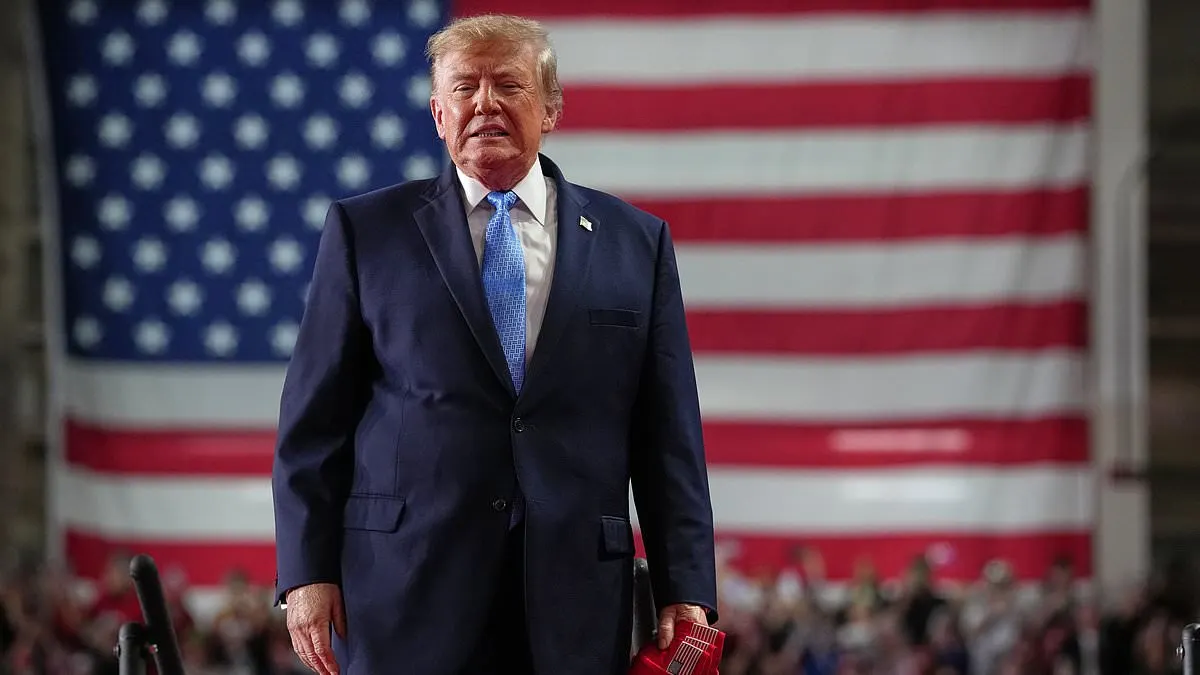
Republicans are facing unexpectedly close midterm races in states and districts they have generally considered safe, amid economic frustration and low approval for President Donald Trump. The contests are raising concerns about the party’s prospects just a week before Election Day.
A Reuters/Ipsos poll found Trump’s approval at 32 per cent, with 66 per cent disapproving; likely voters favoured Democrats on the congressional ballot by 53 to 44 per cent, and 73 per cent said the cost of living was heading in the wrong direction. In Mississippi, Republican Senator Cindy Hyde-Smith led Democrat Scott Colom by three points in one poll, while a Kansas polling average put Democrat Adam Hamilton slightly ahead of Republican Senator Roger Marshall. The article also describes well-funded Democratic challengers contesting Republican House seats in Colorado and Minnesota.
In short
- Republicans face tighter races in traditionally safe seats.
- Trump’s approval rating stood at 32 per cent.
- Cost-of-living concerns are weighing on voters.
Steelman: both sides, in good faith
The strongest fair case each way — we don't pick a winner.
The case for
Republicans can argue that close polls do not necessarily predict the result, particularly in traditionally safe seats where local candidates and turnout may matter more than national sentiment. They may also say that economic dissatisfaction is real but voters could still prefer Republican policies or representatives to address it, and that late shifts remain possible before Election Day.
The case against
Democrats can argue that low presidential approval and widespread concern about living costs signal deeper dissatisfaction that may affect races even in Republican-leaning districts. Close contests across several states, alongside a congressional-ballot polling lead, suggest that voters may be holding Republicans accountable for the national direction and could be more willing than usual to support challengers.
Explained simply
Midterm elections decide which party controls Congress, even though the president is not on the ballot. Voters choose all seats in the House of Representatives and roughly a third of the Senate, so the results can affect which laws pass and how closely the president is scrutinised.
Republicans and Democrats compete in states and districts that usually favour one party, as well as in closely divided areas. Candidates such as Mississippi Senator Cindy Hyde-Smith and Kansas Senator Roger Marshall are defending Republican-held seats, while Democratic challengers are also contesting House seats in Colorado and Minnesota.
The cost of living includes everyday expenses such as food, housing and transport, and voters’ views of the economy can influence their choices. A party’s standing in national polls may also shape local races, though each contest depends on its candidates and voters.
Art Culture Elections Government Politics World
Read the full article at the source →
Originally published by Daily Mail as “Trump’s unpopularity sparks GOP panic as Republicans face shock election battles in deep-red states they were supposed to win easily”.