Business news and discussion on TalkFuse.
Turtle doves released in bid to stop extinction
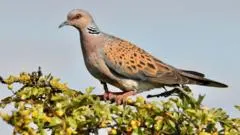
Conservationists have released more than 30 turtle doves in the South Downs National Park in an effort to save the UK's fastest-declining bird species from extinction. The dove, best known for its mention in the "Twelve Days of Christmas" carol, has seen its UK population collapse by 98% between the late 1960s and 2023, and it is now listed on the Birds of Conservation Concern's red list as being at high risk of extinction.
The South Downs National Park Authority released the birds in the Selborne area of Hampshire this spring as part of what it called "urgent efforts" to restore the species, with a further 100 doves being prepared for release next year. Conservationists have also planted feed plants such as fumitory and vetch and restored seven ponds near nesting sites. Park ranger Paul Bushell said the released birds "seem really happy", noting that one female has already returned to lay eggs, and the doves are expected to migrate roughly 3,000 miles to sub-Saharan Africa this autumn before hopefully returning to the South Downs in spring 2027.
In short
- Over 30 turtle doves released in South Downs to boost dwindling numbers
- UK population has fallen 98% since the late 1960s
- A further 100 doves planned for release next year
Explained simply
Turtle doves are small migratory birds that breed in Britain during spring and summer, then fly to sub-Saharan Africa for winter. Their familiar name comes from their soft, purring call, and they are also mentioned in the Christmas carol “The Twelve Days of Christmas”.
The number of turtle doves in the UK has fallen sharply since the late 1960s, and the species is now classed as being at high risk of extinction in Britain. Conservation work focuses on providing suitable food and water and supporting safe places to nest, alongside efforts to increase the number of birds.
Business Environment Markets Science