UEFA warns Infantino over document destruction as Wales withdraws backing
Developed over time first seen 2 months ago
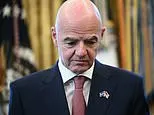
Wales has become the first national football association to publicly withdraw its support for Gianni Infantino's bid to remain FIFA president from 2027 to 2031, marking the culmination of the fallout from his abandoned plan to sell equity in FIFA competitions. The dispute escalated from an internal governance disagreement into open political opposition to Infantino's re-election, with UEFA formally warning him against destroying documents linked to the scrapped capital-raising scheme and threatening legal action should relevant evidence be tampered with.
Although Infantino ultimately dropped the equity-sale proposal, the episode exposed a deep and lasting rift between UEFA and FIFA's leadership over how the plan was conceived and handled. Wales's public break with Infantino stands as the most significant concrete consequence to emerge from the affair, and no other national associations followed suit as the story settled.
- Wales withdraws support for Infantino's 2027-2031 FIFA presidency bid
- UEFA warned Infantino against destroying equity-scheme documents
- Dispute exposed lasting rift between UEFA and FIFA leadership
New here? Start with this
UEFA's decision to warn Gianni Infantino over document destruction stems from a bitter falling-out over a scrapped plan to sell equity stakes in FIFA's competitions, a scheme UEFA opposed and which Infantino later abandoned. The warning threatens legal action if evidence relating to the plan is tampered with, reflecting how seriously European football's governing body views the matter and how far relations with FIFA's leadership have deteriorated.
Infantino, as FIFA president, oversees world football's governing body and has been positioning himself to serve another term from 2027 to 2031. UEFA, the body running European football, represents the interests of national associations across the continent and has considerable sway over how much support Infantino can command internationally.
Wales's national football association is the first to publicly withdraw its backing for Infantino's re-election bid, turning a dispute over documents and a failed business plan into a direct challenge to his leadership. Because FIFA's presidency depends on votes from member associations worldwide, any sign of eroding support is significant, and other federations may now face pressure to state where they stand.
Both sides, in good faith
The strongest fair case each way — we don't pick a winner.
The case for
Those sympathetic to UEFA's stance and Wales' decision argue that safeguarding documents tied to a major, controversial financial proposal is a basic requirement of good governance, and that formally warning against destruction is a prudent, proportionate step to preserve accountability. They contend that national associations have every right to withdraw political support when they judge a president's conduct on a significant initiative has eroded trust, and that doing so openly is preferable to quiet backroom grumbling. From this perspective, transparency and institutional oversight must take precedence over deference to incumbent leadership, especially given football governance's history of scandal.
The case against
Those more sympathetic to Infantino and FIFA's position might argue that the equity plan was already abandoned, so demanding document preservation risks being a symbolic or pre-emptive move that presumes wrongdoing without evidence, unfairly casting suspicion before any wrongdoing is established. They may also see Wales' public withdrawal of support as a premature political manoeuvre that risks inflaming a governance dispute into a personalised leadership contest, potentially harming FIFA's stability and international standing. On this view, disagreements over a scrapped commercial proposal should be resolved through established institutional channels rather than public ultimatums and electoral pressure.
Coverage
- Daily Mail — Furious UEFA warned Gianni Infantino NOT to destroy botched World Cup plan documents with lawsuit threatened before FIFA president abandoned his plot
- BBC Sport — Fifa boycott threat pushes Wales to abandon Infantino
Americas Entertainment Europe Football Government Music Politics Sport UK World