Uefa reacts with fury to Infantino World Cup plan
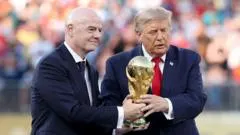
Uefa has strongly criticised reported Fifa plans to bring in private investment to its competitions, including the World Cup, warning that world football's governing body is overstepping its authority. Fifa says the move would expand football development funding to more than $10bn (£7.5bn) to help grow the game worldwide, but the proposals have sparked anger from Europe's football body, which insists no single organisation owns the sport or its flagship tournament.
The plans were first reported by the Financial Times and the Times, with the latter suggesting the arrangement could earn Fifa president Gianni Infantino tens of millions of pounds personally. Responding, Uefa said the proposals "cross a line that football's governing institutions should never cross," adding that "none of us are the owners of football" and that the World Cup "is not Fifa's to sell." The plans would still require approval from Fifa's member associations.
- Uefa condemns reported Fifa plan to sell World Cup investment stakes.
- Fifa says move would raise over $10bn for football development.
- Reports suggest Infantino could personally earn tens of millions.
New here? Start with this
The World Cup is football's biggest international tournament, held every four years and run by Fifa, the sport's global governing body. Fifa is separate from Uefa, which runs European football competitions, and the two organisations don't always agree on how to manage the sport. These tensions matter because decisions about the World Cup affect football worldwide.
Fifa now wants to bring in private investment to fund its competitions, which would provide over £7.5bn for football development globally. The proposal raises an important question: does Fifa have the authority to make such a fundamental change on its own, or should decisions this significant require agreement from other football bodies? Uefa believes Fifa is overstepping by not consulting more widely before proceeding.
The core issue is a fundamental disagreement about power and ownership. Fifa argues that private investment would help grow football development worldwide, whereas Uefa argues that no single organisation owns the World Cup or football itself and that such major decisions require broader agreement among governing bodies. This dispute raises deeper questions about how international sport should be governed.
Both sides, in good faith
The strongest fair case each way — we don't pick a winner.
The case for
Fifa is the internationally recognised governing body with legitimate authority over the World Cup and its competitions. The investment would genuinely expand football development funding to over £7.5bn globally, helping grow the game in underdeveloped regions and provide infrastructure that benefits the sport far beyond what current revenue streams permit. This pragmatic approach to funding represents a reasonable exercise of Fifa's governance role in service of the wider game.
The case against
The World Cup represents a global institution that belongs to the international football community collectively, not to Fifa as a private asset to monetise for profit. These proposals raise fundamental governance concerns about conflicts of interest and the dangerous concentration of power, particularly when they could yield tens of millions for the organisation's leadership. Member associations collectively own football's governing structures, and privatising the sport's flagship tournament through investment schemes fundamentally undermines the democratic principles that should underpin international football.