Politics news and discussion on TalkFuse.
Uganda deadly landslide survivors seek justice at the UN
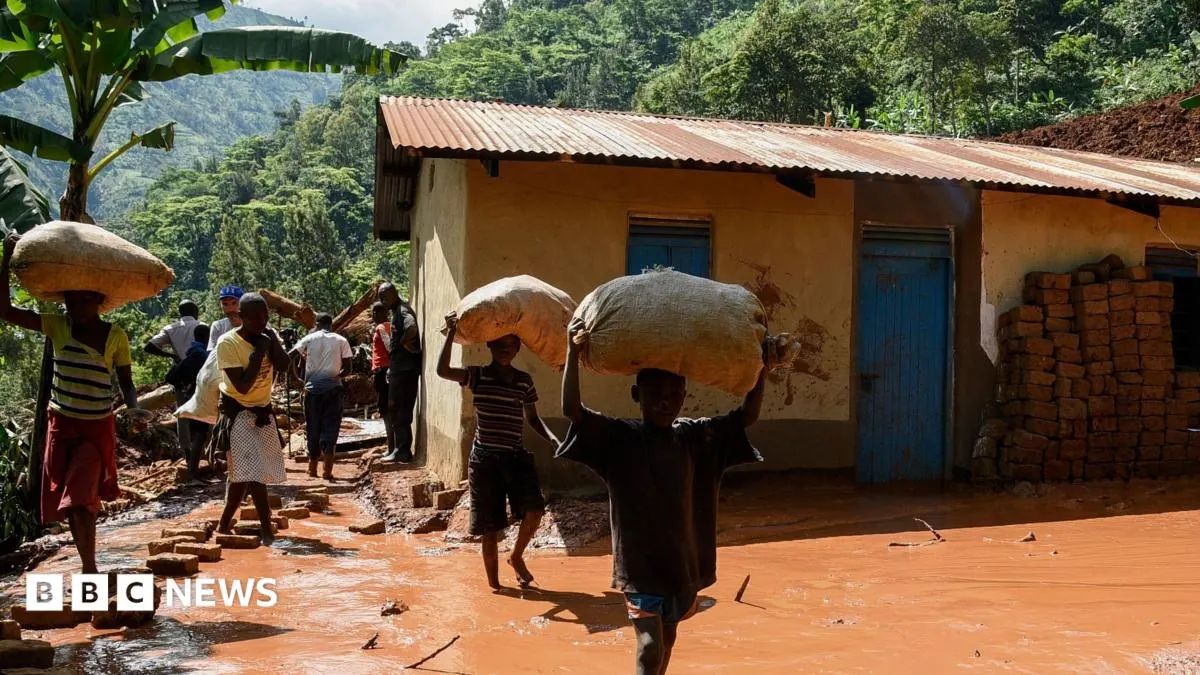
Survivors of Uganda’s 2019 Bududa landslide have taken a complaint to the UN, seeking relocation, compensation and stronger disaster protections. They argue that the government’s response has failed to safeguard people in a landslide-prone area, while heavy rains and changing climate patterns increase the risks. The case could help establish whether governments have duties to provide climate adaptation measures.
The 48 complainants say relocation plans have overlooked their land rights, safety and livelihoods. The 2019 landslide killed more than 53 people, including 33 children; one claimant, William Tsama, lost four family members. Survivors are seeking compensation for losses and measures such as accessible early-warning systems. Uganda has given residents in designated high-risk areas two months, from November to December, to leave or face forced eviction, while the UN Human Rights Committee has asked the government to respond within six months.
In short
- Bududa landslide survivors have taken their case to the UN.
- They seek compensation, safe relocation and early-warning systems.
- Uganda must respond to the complaint within six months.
Steelman: both sides, in good faith
The strongest fair case each way — we don't pick a winner.
The case for
The survivors’ case is that the state has a duty to protect people from foreseeable dangers, especially where repeated landslides and changing climate patterns heighten the risk. Relocation, compensation and accessible warnings could save lives, but plans should respect land rights and provide safe alternatives that preserve livelihoods; a UN review could clarify these obligations.
The case against
The government could argue that moving people from designated high-risk areas is necessary to prevent further deaths, and that delaying relocation while every land or compensation claim is resolved may leave residents exposed. With limited resources and growing climate risks, authorities may need to prioritise practical protective measures, while disputes over the process and the extent of legal duties are assessed separately.
Explained simply
Bududa is a mountainous area in eastern Uganda where heavy rains can trigger landslides. In 2019, a landslide there killed more than 53 people, including 33 children, and destroyed homes and livelihoods.
People living in high-risk areas have faced relocation plans, but some residents say these do not adequately protect their land rights, safety or ways of earning a living. The dispute involves survivors and the Ugandan government, which has set deadlines for people in designated danger zones to leave.
The case also concerns what protection governments owe people facing climate-related hazards, including measures such as early-warning systems. Its outcome could help clarify how those responsibilities are assessed under human rights law.
Geopolitics Politics Science World