Uganda requires returning citizens to fund 21-day Ebola quarantine
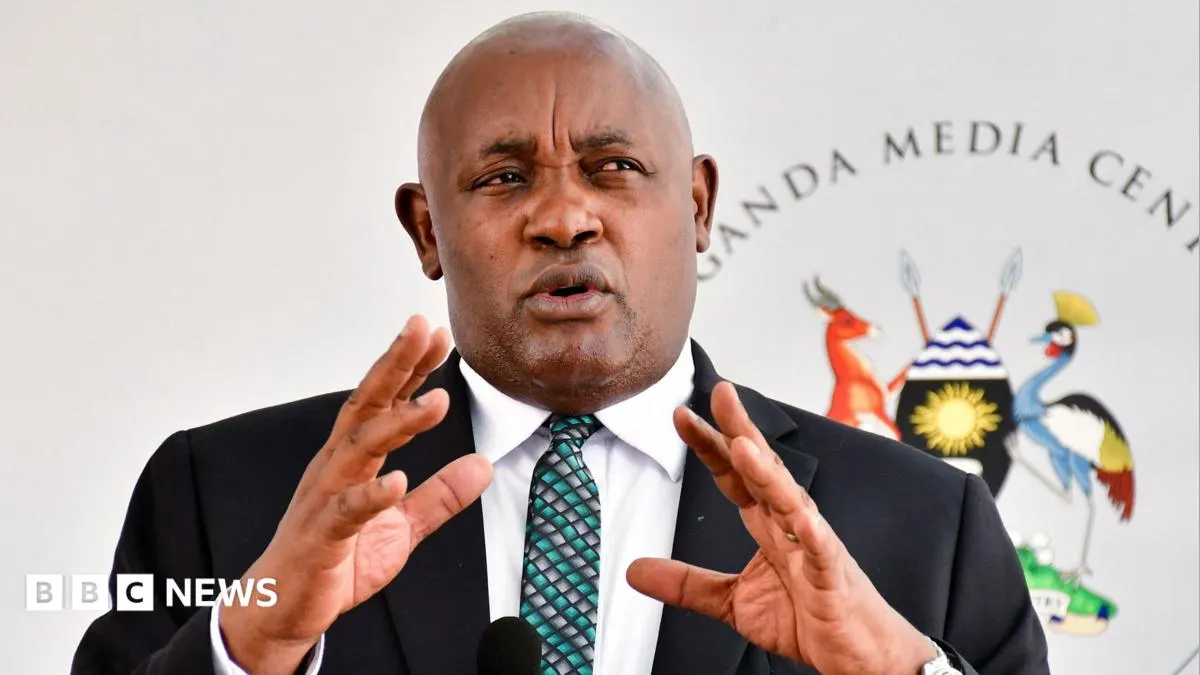
Uganda is requiring citizens returning from the Democratic Republic of Congo (DR Congo) to quarantine for 21 days at their own expense, as it strengthens measures against Ebola. The government says the steps are intended to keep the country free of the disease, after two people who travelled through Uganda tested positive in Kenya and Nigeria.
Travellers who have been to DR Congo cannot transit through Uganda, while screening has been increased at Entebbe airport, land borders and road checkpoints. More than 4,800 people have died in DR Congo’s current outbreak since May; Uganda reported 20 cases and two deaths before being declared Ebola-free in August. Uganda says it has no current cases, and officials are investigating the travel histories and possible exposure routes of the patients detected abroad.
In short
- Returning Ugandans from DR Congo face 21 days of quarantine at their own cost.
- Uganda has tightened airport, border and road screening.
- Officials are tracing travel histories after cases emerged in Kenya and Nigeria.
Steelman: both sides, in good faith
The strongest fair case each way — we don't pick a winner.
The case for
Uganda can argue that a 21-day quarantine is a prudent precaution against a severe, highly contagious disease, particularly after travellers who passed through the country tested positive abroad. Requiring those returning from DR Congo to cover the cost may also be seen as a way to fund an emergency measure while limiting the burden on public resources.
The case against
Critics can argue that making returning citizens pay for a lengthy quarantine imposes a heavy and potentially unequal burden, especially on people with limited means. They may also question whether blanket restrictions and self-funded isolation are proportionate, and argue that clear evidence-based screening and publicly supported quarantine would protect public health more fairly.
Explained simply
Ebola is a serious infectious disease that can spread through contact with the bodily fluids of someone who is ill or has died from it. An outbreak in the Democratic Republic of Congo has caused thousands of deaths since May, and Uganda has previously reported cases linked to the disease.
Uganda is a neighbouring country and a route for people travelling across the region. Its health authorities screen travellers at airports and borders, while tracing where people diagnosed abroad may have travelled and whether they could have been exposed.
The measures matter because Ebola can spread across borders before an infection is detected. Quarantine separates people who may have been exposed for a period when symptoms could emerge, while requiring travellers to pay affects those returning from DR Congo.
Read the full article at the source →
Originally published by BBC World as “Uganda imposes 21-day quarantine on citizens returning from DR Congo”.