Politics news and discussion on TalkFuse.
UK ‘seriously underprepared’ for emergencies and threats, peers warn
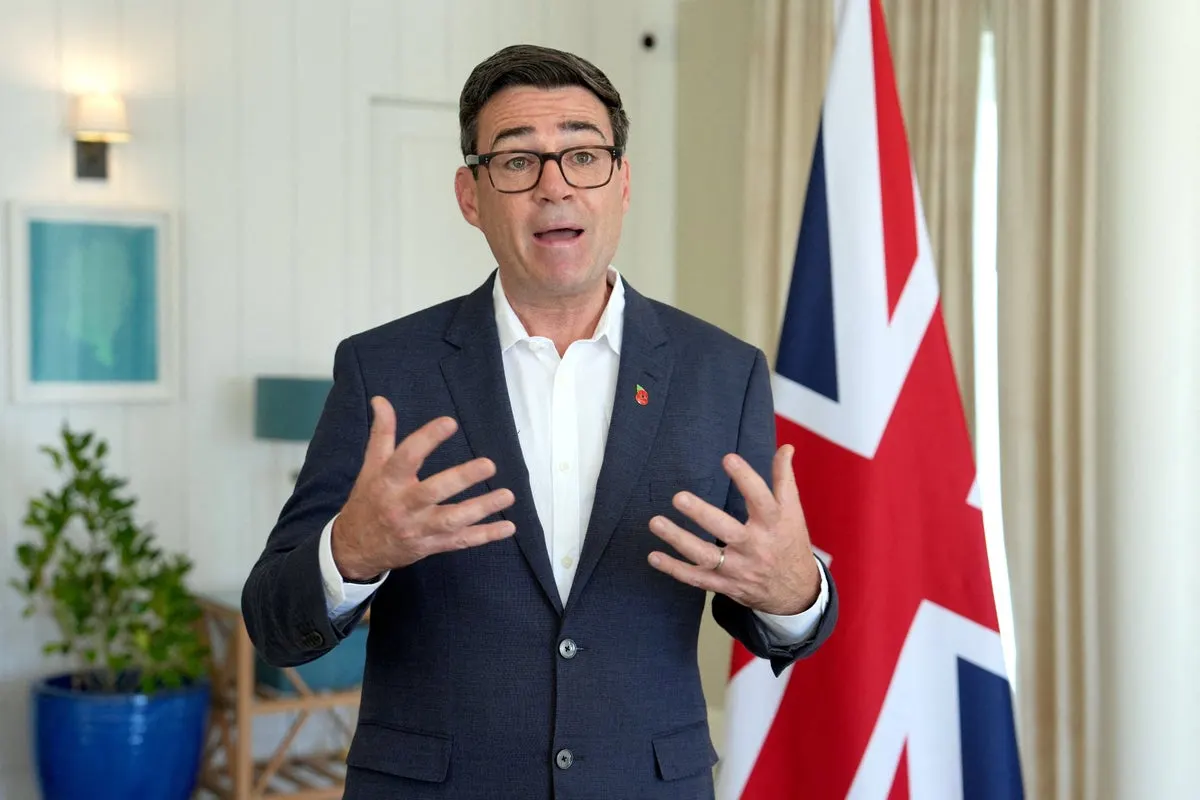
The Lords National Resilience Committee says the UK is “seriously underprepared” for emergencies such as cyberattacks, extreme weather and hostile activity. It urges the government to be more candid with the public about these risks and to appoint a Cabinet minister dedicated to resilience within six months.
The committee warns that limited domestic production and stockpiles of food and medicines leave the country vulnerable to supply-chain disruption. The UK no longer makes antibiotics and relies heavily on imports from China; although some medicines have an eight-week buffer stock requirement, peers question whether it is enough for prolonged disruption. The government says it will review the report and points to its public preparedness campaign, a planned national defence exercise and more than £1 billion in pandemic security investment.
In short
- Peers say the UK is seriously underprepared for emergencies.
- They call for a dedicated Cabinet minister within six months.
- Limited food and medicine supplies risk worsening disruption.
Steelman: both sides, in good faith
The strongest fair case each way — we don't pick a winner.
The case for
The committee’s warning can be seen as a call to address vulnerabilities before a crisis exposes them: reliance on imported medicines and limited stockpiles could make disruption harder to manage. A dedicated minister and more candid public communication might improve coordination, planning and public readiness across threats such as cyberattacks and extreme weather.
The case against
The government can argue that preparedness is already being addressed through public guidance, a planned national defence exercise and substantial investment in pandemic security, and that it should review the committee’s recommendations before creating a new ministerial post. Stockpiling and domestic production also involve costs and practical trade-offs, so resilience plans should be proportionate and tested against the risk of prolonged disruption.
Explained simply
The UK faces risks from events that can disrupt everyday life, including severe weather, cyberattacks and hostile activity. Preparing for them involves government departments, local services and businesses working out how to protect people and keep essential supplies available.
Food and medicines depend on production and transport networks that cross national borders. If those networks are disrupted, limited UK production or reserves could make it harder to meet demand, including for antibiotics, which the UK imports.
The Lords National Resilience Committee is a group of peers who examine how well the country is prepared for major risks. Its work concerns how the government plans for emergencies and communicates with the public about possible disruption.